“`markdown
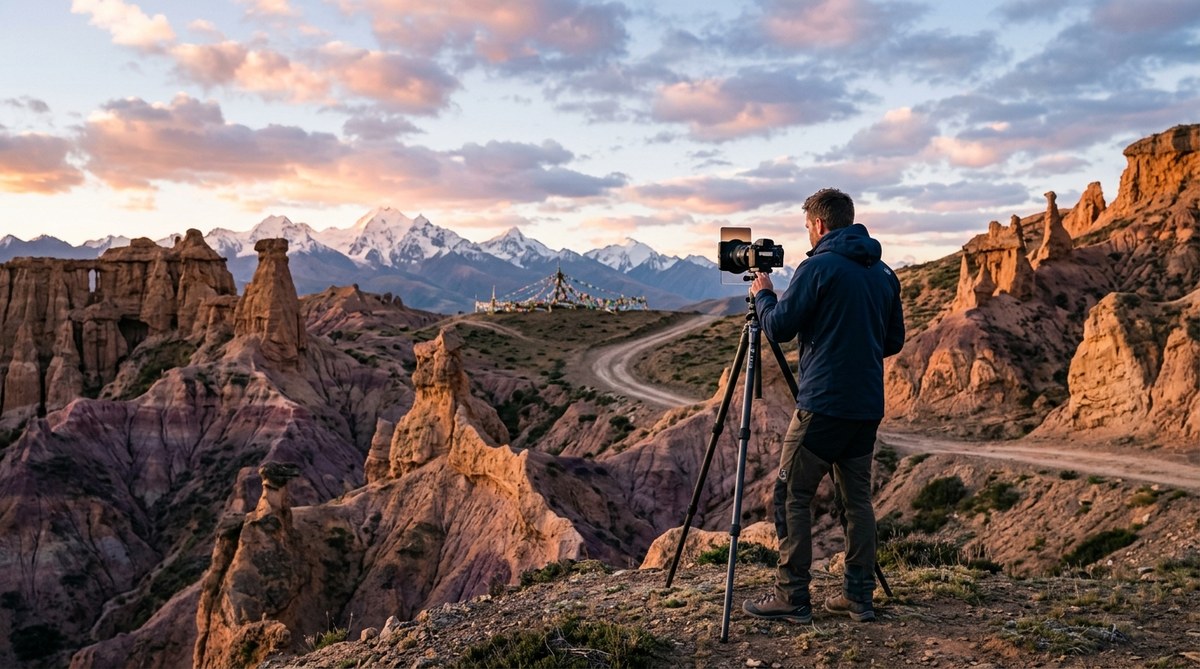
Tibet’s plateau sits at an average elevation above 14,000 feet. The air is thin. The light is brutal and beautiful in equal measure. For photographers planning a trip in 2026, this landscape offers something no other place on Earth can match. You get sweeping plains that stretch toward snow capped peaks. You get turquoise lakes that reflect a sky so deep it feels like another planet. And you get a culture that has shaped this land for centuries. Capturing all of that in a single frame is the challenge. But with the right preparation, you can bring home images that stop viewers in their tracks.
Photographing Tibet’s plateau in 2026 requires planning for extreme altitude, intense UV radiation, and unpredictable weather. Success comes from using a telephoto lens for compression, a polarizer for cutting glare on glacial lakes, and shooting during golden hour for dramatic shadows. Acclimatize for three days before serious shooting. Protect your gear with dust and moisture seals. The payoff is images that feel both ancient and alien, unlike any other landscape on the continent.
Why Tibet’s Plateau Belongs on Your 2026 List
The Tibetan Plateau is often called the Roof of the World. That name is not just for show. This place sits at an average elevation higher than the base camp of most major Himalayan peaks. In 2026, travel access continues to improve, making it easier for photographers to reach areas that were once reserved for hardcore mountaineers.
You get landscapes that look like they belong on Mars. Mineral rich soil turns entire valleys shades of rust, ochre, and deep crimson. Glacial lakes glow in impossible shades of turquoise and jade. And the sky. The sky at 15,000 feet is a different color. It is darker, richer, and more saturated than anything you see at sea level. That alone makes the trip worthwhile for any landscape photographer.
If you have been shooting mountains in places like the Rockies or the Alps, you will find Tibet’s scale humbling. The horizon lines are wider. The peaks are taller. And the silence is absolute. For a travel photographer, this is the kind of place where you can build a portfolio that stands apart from the crowd.
Gear That Can Handle the Roof of the World
Your equipment choices matter more here than in almost any other location. High altitude, fine dust, and temperature swings from freezing to scorching in the same day will test every piece of gear you carry.
Camera Body
Bring two bodies if you can. Dust and altitude sickness are not the only risks. Camera shutters fail. Sensors collect dust faster than you expect. A second body saves your trip.
Weather sealing is not optional. Look for bodies with robust dust and moisture seals. A full frame sensor helps capture the dynamic range of those bright blue skies against dark mountain shadows.
Lenses
Take a versatile zoom for your wide shots. A 16-35mm or similar range works well for the vast plains and salt lakes. But do not stop there. A telephoto zoom in the 70-200mm range is essential for compressing distant mountain layers.
Some of the best images from Tibet use a long lens to stack ridges and peaks on top of each other. That technique creates a graphic, almost painterly effect. For more on this approach, check out top tips for capturing vibrant mountain landscapes in Asia’s remote regions.
Filters
A polarizing filter is your best friend on the plateau. It cuts through the intense high altitude glare on water and wet rock. It also deepens the already saturated blue sky without making it look unnatural.
A graduated neutral density filter helps control the extreme contrast between bright sky and shadowed foreground. You can skip a solid ND filter unless you plan to blur flowing water or clouds.
Support
A sturdy tripod is mandatory. The wind at high altitude can be fierce. Carbon fiber legs are lighter for carrying at elevation, but make sure they have good ground spikes for loose gravel and sandy soil.
Best Times and Places to Shoot in 2026
Timing your trip around weather windows makes or breaks a photography trip to Tibet.
Optimal Months
May through October offers the most stable weather. July and August bring monsoon moisture, which can create dramatic cloud formations but also blocks the peaks. May, June, and September give you the best balance of clear skies and comfortable temperatures.
In 2026, plan for a late May or early September trip. You avoid the heaviest crowds and get the most consistent light.
Top Locations
Yamdrok Lake sits about 60 miles southwest of Lhasa. The turquoise water against the barren mountains is a classic shot for a reason. Arrive at sunrise to catch calm water and soft light on the surrounding peaks.
Mount Everest Base Camp (North Side) offers a different perspective than the more famous Nepalese side. The approach across the plateau gives you sweeping views of the North Face. Use a long lens to isolate the peak against the vast plain.
Nam Co Lake is one of the highest saltwater lakes in the world. The combination of deep blue water, snow capped peaks, and surrounding grasslands makes it a location you can shoot for hours. Sunset here is spectacular.
The Aksai Chin region offers some of the most alien landscapes on the plateau. Mineral deposits create bands of color across the earth. This area is remote and requires special permits, but the visual payoff is unmatched.
For more on timing your shoots around the best natural light, read how to capture dramatic Asian sunrise and sunset landscapes in 2026.
Camera Settings That Work at Altitude
High altitude light behaves differently. The atmosphere scatters less light because there is less air. That means shadows are darker and highlights are brighter. Your camera’s meter can get confused.
Exposure Tips
-
Bracket your exposures. Shoot three frames at -1, 0, and +1 EV. You can blend them later for the full dynamic range. This is especially important when shooting snow capped peaks against dark rock.
-
Use aperture priority mode set to f/8 or f/11 for maximum sharpness across the frame. Check your histogram after every few shots. The bright light can fool your meter into underexposing.
-
Keep your ISO as low as possible. ISO 100 or 200 gives you the cleanest files. If you need a faster shutter speed in low light, do not be afraid to go to ISO 800. The clean air means less noise is visible in the shadows.
White Balance
Set a custom white balance or shoot in RAW and adjust later. The high altitude sun has a different color temperature than you are used to. Many images from Tibet look too cool or too warm straight out of camera. Fixing it in post is easy if you shoot RAW.
Composition Tips for Infinite Horizons
Traditional composition rules still apply on the plateau. But the scale of Tibet demands some adjustments.
Use Leading Lines
The roads, rivers, and ridgelines on the plateau are natural leading lines. They pull the viewer’s eye through the frame. A dirt road curving toward a distant peak is a simple but powerful composition.
Include a Foreground Element
Wide empty landscapes can look flat without something in the foreground. A pile of prayer stones, a patch of wildflowers, or a yak skull adds scale and interest. Get low to the ground to make the foreground element larger in the frame.
Shoot Vertical for Depth
Horizontal shots are the default for landscape photography. But Tibet’s vertical elements, like towering peaks and dramatic cloud formations, work well in portrait orientation. Try shooting both and see which tells the story better.
Compress with a Telephoto
Stand back and use a long lens to stack distant mountain layers. This technique flattens perspective and creates a graphic, abstract feel. It is a signature look for Tibet and one that separates amateur shots from professional ones.
If you want to improve your framing skills generally, 7 composition tips for stunning wide-angle landscape shots in Asia offers practical advice that applies directly to the plateau.
A Practical Plan for Your 2026 Shoot
Follow these steps to make the most of your time on the plateau.
-
Acclimatize in Lhasa for three full days. Do not even take your camera out on day one. Walk slowly. Drink water. Let your body adjust to the altitude. Altitude sickness is the number one reason photographers fail on this trip.
-
Scout locations during midday. The harsh midday light is not great for shooting, but it is perfect for finding compositions. Mark your spots on a map or GPS so you can return during golden hour.
-
Wake up 90 minutes before sunrise. The best light on the plateau happens in a short window. Be in position with your camera set up and ready at least 30 minutes before the sun crests the horizon.
-
Shoot through sunset and stay 20 minutes after. The light changes minute by minute. Some of the best color happens after the sun dips below the horizon.
-
Review your images each evening. Check sharpness, exposure, and composition. If something is off, you have another chance the next day. Do not wait until you get home to find out you missed focus.
Common Mistakes and How to Avoid Them
| Mistake | Why It Happens | How to Fix It |
|---|---|---|
| Underexposed snow | Camera meter tries to make white snow look gray | Add +1 to +1.5 EV compensation |
| Dust spots on sensor | Fine dust gets inside the camera | Change lenses carefully. Use a rocket blower daily |
| Blurry long shots | Wind shakes the tripod at high altitude | Hang your camera bag from the tripod hook for stability |
| Washed out colors | UV light scatters and reduces contrast | Use a polarizer or UV filter. Boost clarity in post |
| Altitude sickness ruins day | Not enough acclimatization | Plan rest days. Carry acetazolamide if prescribed |
| Condensation in lens | Moving from cold to warm environments | Seal gear in a zip bag before entering warm spaces |
Post-Processing for High-Altitude Light
The files you bring back from Tibet are special. They have more dynamic range and color information than typical landscapes. But they also need careful editing.
Boost Clarity and Texture
The thin air makes distant objects look softer than they are. A clarity boost of +10 to +20 in Lightroom or Capture One restores the sharpness you saw with your eyes. Texture helps bring out details in rock and sand without making the sky look crunchy.
Adjust the Blues
The sky in Tibet is naturally more saturated than what most people are used to. Do not oversaturate it. A slight desaturation of the blue channel often makes the image look more natural. Let the sky be intense, but keep it believable.
Recover Shadows
Your shadows at high altitude are darker than normal. Pull them up carefully. Watch for noise in the lifted areas. If noise appears, use luminance noise reduction sparingly.
Add Warmth to Foregrounds
The cool blue of the sky and water can make the foreground look cold. A local adjustment with a warm color temperature balances the image and creates depth.
For a complete workflow, mastering Asian landscape photography edits for stunning results walks through the exact steps used by professional editors.
Working With the People and Culture
Tibet is not just a landscape. It is a living culture with deep traditions. Always ask permission before photographing people. Monks and nomads are generally open to being photographed, but a polite gesture and a smile go a long way.
Do not photograph religious ceremonies without understanding the context. If you are unsure, watch first. Learn the rhythm of the ritual before raising your camera.
If you want to incorporate cultural elements into your travel photography, how to capture the essence of Asian cultural festivals through your lens offers respectful techniques for documenting sacred traditions.
Night Photography on the Plateau
The clear, dry air at high altitude makes Tibet one of the best places on Earth for astrophotography. The lack of light pollution means the Milky Way is visible to the naked eye.
Bring a wide aperture lens, f/1.4 or f/2.8. Set your shutter speed using the 500 rule. For a full frame camera, divide 500 by your focal length. That gives you the maximum shutter speed before stars start trailing.
The cold drains battery power fast. Keep spare batteries warm in an inside pocket. Swap them out as needed.
For a full guide on shooting the night sky in similar conditions, essential techniques for capturing stunning nightscape landscapes across Asia covers settings, composition, and planning.
Permits and Access in 2026
Travel to Tibet requires planning beyond gear and weather. Foreign travelers need a Tibet Travel Permit issued by the Tibet Tourism Bureau. In 2026, the process remains similar to previous years. You book through a registered tour operator who handles the paperwork.
You also need an Alien’s Travel Permit to visit areas outside Lhasa. Some remote regions near the borders require a Military Permit. Your tour operator can arrange these, but they take time. Start the process at least two months before your trip.
Group travel is still required for most foreign visitors. That means you travel with a guide and driver. Work with an operator that understands photographers. They can adjust schedules to hit golden hour and wait while you compose a shot.
Your 2026 Tibet Photography Checklist
- Apply for permits at least 60 days in advance
- Book a photographer friendly tour operator
- Acclimatize for three days in Lhasa before shooting
- Pack two weather sealed camera bodies
- Bring a 16-35mm and a 70-200mm lens
- Carry a polarizer and graduated ND filter
- Use a carbon fiber tripod with ground spikes
- Pack extra batteries and keep them warm
- Bring a rocket blower and sensor cleaning kit
- Plan shoots around sunrise and sunset
- Allow rest days for altitude adjustment
- Respect local culture and ask before photographing people
Shooting the Light That Only Exists at 15,000 Feet
The sun sets differently up there. The angle is lower. The shadows stretch longer. And the colors shift through phases you do not see at sea level. First comes a warm amber glow on the peaks. Then the sky turns magenta and violet. Finally, the blue hour settles in, leaving a deep indigo that clings to the horizon.
That sequence lasts about 45 minutes. You need to be ready before it starts. Check your settings. Clean your filter. Compose your shot. Then stand still and watch it happen. The best photographs from Tibet come from photographers who learned to wait.
Pack your bags. Check your permits. Charge your batteries. The Roof of the World is waiting, and 2026 is your year to bring back the images that prove you were there.