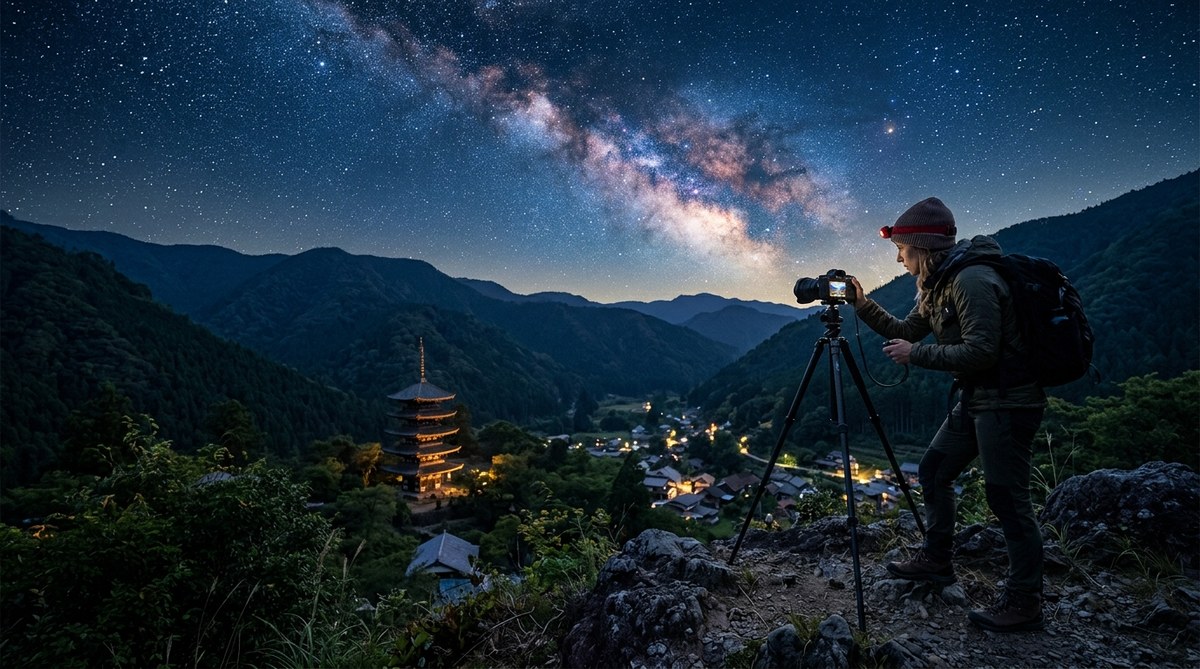
Capturing the magic of nightscape landscapes across Asia offers an extraordinary way to showcase the continent’s diverse beauty. From shimmering city skylines to remote mountain peaks under star-studded skies, night photography reveals a world often hidden from the casual eye. With a little planning, patience, and the right techniques, even amateur photographers can create breathtaking images that tell compelling stories of Asia’s nocturnal wonders.
Mastering nightscape landscape photography across Asia involves understanding your camera settings, choosing optimal locations, and practicing patience. With these skills, you can transform ordinary scenes into stunning visual stories of Asia’s night skies and illuminated landscapes.
Why Nightscape Photography Is Special in Asia
Asia’s vast geography provides an incredible range of night photography opportunities. From the bright lights of Tokyo and Hong Kong to the serene lakes and mountain ranges of Nepal or Mongolia, each location offers unique lighting, scenery, and atmospheric conditions. Nightscape photography allows you to capture the continent’s vibrant city life, starry skies over remote temples, or the glow of bioluminescent waters in coastal areas.
This style of photography emphasizes long exposures and precise camera control. It pushes your skills to the limit but rewards you with images that evoke wonder and awe. Whether you are shooting a bustling metropolis or a quiet rural landscape, understanding the fundamentals will help you create images that stand out.
Planning Your Nightscape Adventure in Asia
Preparation is vital for successful nightscape landscape photography. Here are key steps to get started:
- Research locations: Find spots with minimal light pollution, interesting foregrounds, and clear views of the night sky or city lights. Use apps like Light Pollution Map or Stellarium for celestial events.
- Check weather conditions: Clear skies are essential for capturing stars and celestial phenomena. Cloud cover and humidity can obscure your shots.
- Pick the right time: New moons and specific celestial events like meteor showers or the Milky Way’s visibility enhance your chances of stellar images.
- Scout during daylight: Visit locations beforehand to identify composition options, potential hazards, and access points.
- Prepare your gear: Use a sturdy tripod, remote shutter release or timer, and wide-angle lenses with a large aperture for capturing more light.
Essential Equipment for Nightscape Landscapes in Asia
A well-chosen gear setup makes a significant difference in night photography. Here are the essentials:
- Camera: A DSLR or mirrorless camera with manual controls and good high ISO performance.
- Lenses: Wide-angle lenses (14mm to 24mm) with apertures of f/2.8 or wider.
- Tripod: A sturdy tripod to stabilize your camera during long exposures.
- Remote shutter or intervalometer: To prevent camera shake when triggering shots.
- Extra batteries and memory cards: Night photography drains batteries quickly.
- Headlamp or flashlight: For setup and adjustments in the dark.
Camera Settings and Techniques for Capturing Nightscapes
Achieving sharp, detailed nightscape images relies on proper camera settings and techniques. Here are practical steps:
- Set your camera to manual mode: Control shutter speed, aperture, and ISO directly.
- Adjust your aperture: Use the widest setting (f/2.8 or lower) to let in as much light as possible.
- Set a long shutter speed: Typically between 15 to 30 seconds, depending on your scene and focal length.
- Use high ISO cautiously: Start at ISO 1600 or 3200 and adjust based on noise levels and exposure needs.
- Focus manually in live view: Use the brightest star or distant light source to achieve precise focus.
- Use a remote shutter or timer: To avoid camera shake during exposure.
Practical process for nightscape shooting:
- Compose your scene with foreground interest.
- Use manual focus and dial in sharpness.
- Set your camera parameters.
- Trigger your shot with a remote or timer.
- Review the image and adjust settings if necessary.
Common Mistakes and How to Avoid Them
| Mistake | Why It Happens | How to Fix It |
|---|---|---|
| Overexposing bright lights | Using too long shutter speeds in urban scenes | Dial down exposure time, or use exposure bracketing |
| Blurry stars | Incorrect focus or too long exposure causing star trails | Focus manually on a star, and limit exposure to prevent trails |
| Excess noise | High ISO settings or long exposures | Use noise reduction in post, or lower ISO and increase exposure time |
| Not accounting for light pollution | Shooting in overly bright areas | Find darker locations or shoot during darker moon phases |
Expert tip: “Patience is key. Sometimes the best shots come after multiple attempts, especially when waiting for clear skies or specific celestial events.”
Finding the Best Nightscape Locations in Asia
Some locations across Asia are renowned for their night sky views or cityscapes. Consider these:
- Uluru in Australia: Offers stunning starry skies free from light pollution.
- Mount Fuji in Japan: Perfect for capturing mountain silhouettes under starry skies.
- Vientiane in Laos: The Mekong River reflects city lights beautifully.
- Ngorongoro Crater in Tanzania: Offers spectacular star views over wild landscapes.
- Chiang Mai in Thailand: Known for lantern festivals and night markets, ideal for vibrant urban shots.
- Bagan in Myanmar: Temples illuminated at night create mystical scenes.
Always check local regulations and access times before planning your shoot.
Post-Processing Tips for Nightscape Photos
Post-processing enhances your nightscape images, bringing out details and colors. Here are key techniques:
- Adjust contrast and brightness: To reveal stars and foreground details.
- Reduce noise: Using software like Adobe Lightroom or Photoshop.
- Enhance colors: Carefully boost saturation for city lights or auroras.
- Stack multiple images: To improve dynamic range and detail.
- Sharpening: To make stars and landscape features pop.
Remember, subtle adjustments often produce the best results. Aim for a natural, realistic look in your final image.
Final Thoughts: Bringing Your Nightscape Visions to Life
Capturing nightscape landscapes across Asia is an ongoing journey of learning and experimentation. Each location offers unique challenges and rewarding views. Practice patience, refine your techniques, and keep exploring different settings. With time, your images will tell compelling stories of Asia’s night skies and illuminated landscapes.
Happy shooting! The continent’s vast diversity ensures endless opportunities to create stunning nightscape photographs that will inspire and amaze viewers.
Lighting Up Your Night Photography Skills in Asia
As you begin to master these techniques, consider revisiting your favorite locations during different seasons or celestial events. Experiment with foreground elements, light painting, or long exposures to add creativity to your images. Remember that every shot is a step toward better understanding your camera and capturing the essence of Asia’s nocturnal beauty.
Now, grab your gear and head to that perfect spot. The night awaits your vision.