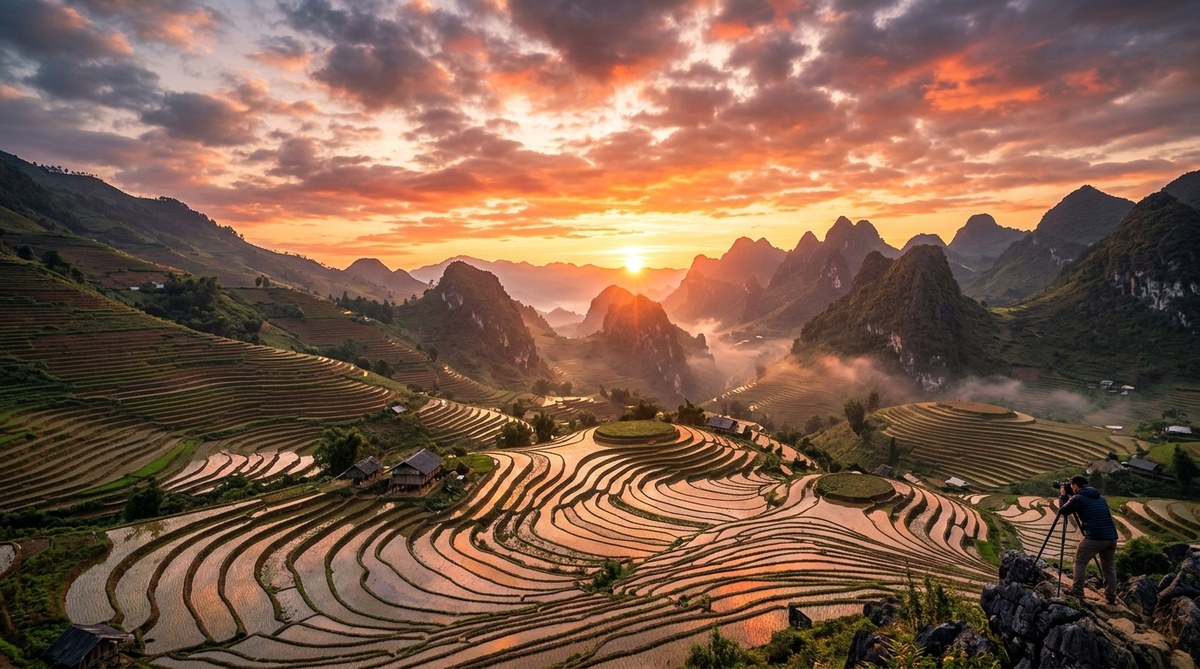
Capturing the fiery beauty of Asian sunrises and sunsets can transform your landscape photography into breathtaking works of art. The vibrant colors, changing light, and unique scenery across Asia offer endless opportunities for stunning images. Whether you’re standing on a mountain peak in Nepal, overlooking rice terraces in Bali, or watching the sun dip behind temples in Myanmar, knowing how to approach these moments makes all the difference. With the right techniques and a bit of planning, you’ll be creating dramatic, magazine-worthy photos in 2026.
Capturing dramatic Asian sunrise and sunset landscapes in 2026 involves understanding the best locations, mastering camera settings, and applying thoughtful composition. Planning ahead, using the right gear, and paying attention to weather conditions will help you turn fleeting moments into stunning images that stand out. With patience and practice, you’ll learn to naturally harness the beauty of Asia’s skies for memorable landscape photos.
Finding the Perfect Locations for Asian sunrise and sunset scenes
Choosing the right spot is crucial for dramatic landscape shots. Asia offers diverse terrains, each with its own magic during sunrise and sunset. Popular locations include Mount Fuji in Japan, Angkor Wat in Cambodia, the rice terraces in Banaue Philippines, and the beaches of Bali. Look for vantage points that offer unobstructed views of the horizon, interesting foreground elements, and a clear line of sight to the rising or setting sun.
Many photographers recommend scouting locations in advance. Visit during different times of day to understand how light plays across the landscape. Local guides or online photography forums can also point you toward hidden gems. Remember that weather conditions greatly influence your results. Clear skies produce vivid colors, while clouds can add drama and depth to your shots.
Essential gear and camera settings for landscape drama
To capture Asian sunrise and sunset landscapes in 2026, having the right gear and knowing how to set it up is vital. Here’s what you should have:
- Camera: A mirrorless or DSLR camera with manual controls.
- Lenses: Wide-angle lenses (16-35mm) are ideal for capturing expansive scenes. A telephoto lens (70-200mm) can highlight distant details.
- Tripod: Stability is key during low light, so a sturdy tripod is essential.
- Filters: Circular polarizers reduce glare and enhance colors. Graduated ND filters balance exposure between sky and land.
Regarding camera settings:
- Use a low ISO (100-200) to reduce noise.
- Set a small aperture (f/8 to f/16) for sharpness across the scene.
- Adjust shutter speed based on light conditions; longer exposures can emphasize the sky’s vibrancy.
- Enable manual focus for precise control, especially in low light.
- Shoot in RAW format to retain maximum image data for editing.
Techniques for capturing the drama and mood
Achieving dramatic Asian sunrise and sunset landscapes requires more than just pointing and shooting. Here are practical tips:
- Arrive early: Get to your location before the sun rises or sets to set up and find the best composition.
- Use foreground interest: Incorporate elements like rocks, trees, or structures to add depth.
- Play with silhouettes: Place interesting objects against the bright sky to create striking silhouettes.
- Bracket your shots: Take multiple exposures and combine them using HDR techniques to manage high contrast scenes.
- Include reflections: Water bodies like lakes or rivers can mirror the sky, doubling the visual impact.
- Patience is key: Sometimes the most dramatic colors appear just before or after the sun crosses the horizon.
“The magic of Asian sunrises and sunsets often lies in their unpredictability. Keep your camera ready, and don’t be afraid to experiment with different angles and settings.” — Professional landscape photographer Mei Lin.
Common mistakes to avoid and how to fix them
| Technique or Mistake | What to Do | How to Fix |
|---|---|---|
| Overexposed skies | Use graduated ND filters or bracketing | Decrease exposure or blend multiple images |
| Blurry foreground | Use a tripod and small aperture | Stabilize your camera and increase depth of field |
| Wrong focus point | Focus on distant objects or use manual focus | Use live view to fine-tune focus |
| Ignoring weather | Check weather forecasts before heading out | Wait for optimal conditions or adjust plans |
| Neglecting composition | Use leading lines and rule of thirds | Spend time scouting and experimenting |
Expert advice to naturally enhance your sunrise and sunset shots
“Patience and preparation are your best friends when capturing Asian dawns and dusks. Wait for the right moment when the sky’s colors are most intense, and don’t be afraid to experiment with your settings.” — Award-winning photographer David Kim.
Practical steps to master your Asian landscape shots
- Scout locations: Use online tools or local guides to find promising viewpoints.
- Check the weather: Favor days with clear or partly cloudy skies for vibrant colors.
- Arrive early: Set up your camera before the sun begins to rise or after it sets.
- Adjust your settings: Use manual controls, bracket exposures, and apply filters as needed.
- Compose thoughtfully: Incorporate interesting foregrounds and leading lines.
- Experiment: Try different angles, shutter speeds, and focal lengths.
- Post-process carefully: Enhance colors and contrast without overdoing it.
Locations that make Asian sunrises and sunsets unforgettable
Some of the most iconic spots across the continent include:
- Mount Fuji during dawn in Japan
- The temples of Bagan at sunset in Myanmar
- The rice terraces of Bali at sunrise
- The coastlines of Sri Lanka with vibrant skies
- The Great Wall of China at sunset
Each location offers unique opportunities to harness the natural light and scenery for dramatic images when approached thoughtfully.
Wrapping up your journey to stunning Asian landscapes
Capturing dramatic Asian sunrise and sunset scenes in 2026 is a rewarding challenge. It calls for careful planning, the right gear, and a keen eye for composition. By understanding how weather, light, and location interact, you can turn fleeting moments into timeless images. Keep practicing, stay patient, and let the beauty of Asia inspire your photography. The more you shoot, the more your skills will grow, enabling you to naturally capture the breathtaking drama of Asia’s skies.