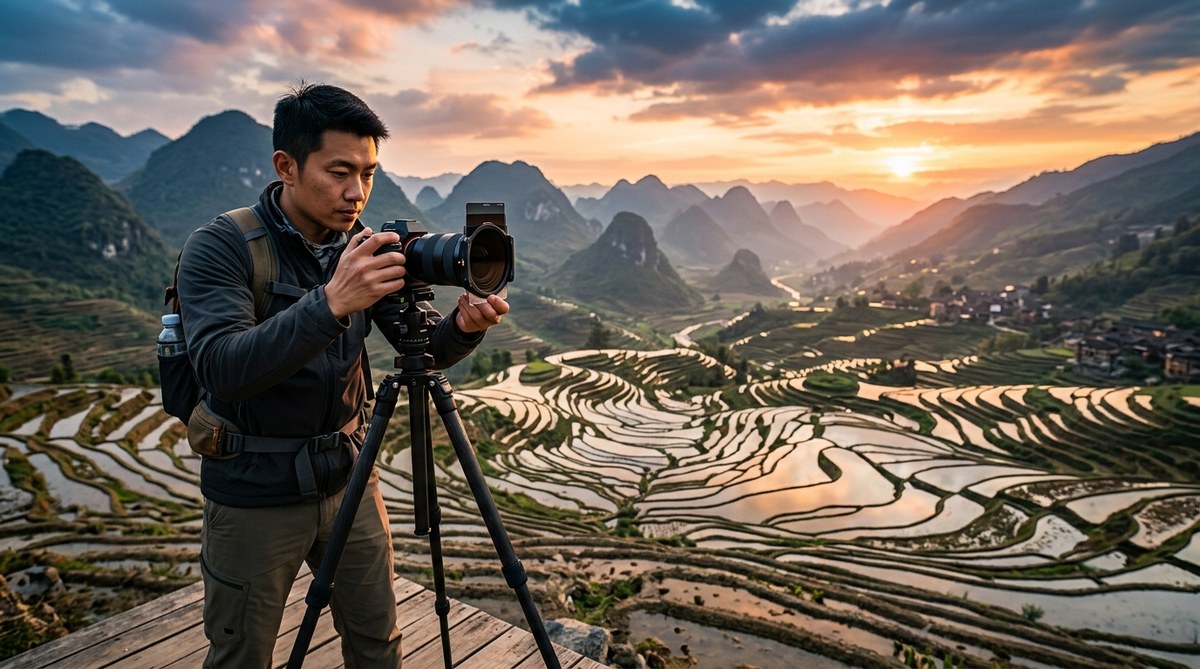
Capturing the majestic beauty of Asian landscapes requires more than just pointing your camera in the right direction. It demands an understanding of unique techniques tailored to diverse terrains, lighting conditions, and cultural scenes. Whether you’re a beginner or an experienced photographer, mastering these Asian landscape photography techniques can transform your images from ordinary to extraordinary. The rich tapestry of Asia offers limitless opportunities for stunning compositions, but it’s the technique that makes the difference.
Learning and applying specific Asian landscape photography techniques enhances your ability to capture the region’s diverse scenery. From understanding light to composition and timing, these methods help create images that truly stand out and convey the beauty of Asia’s landscapes.
Understanding the Unique Aspects of Asian Landscapes
Asia’s landscapes are incredibly diverse. You might find yourself photographing lush rice terraces in Bali, towering mountains in Nepal, bustling cityscapes in Tokyo, or tranquil lakes in Mongolia. Each setting presents its own challenges and opportunities. Appreciating these differences is the first step toward mastering effective techniques.
For example, mountain ranges like the Himalayas demand a different approach compared to serene beaches in Thailand. Recognizing the distinct features of each location helps you select the best tools and methods. This awareness allows you to plan ahead and anticipate conditions that influence your shots.
Essential Techniques for Asian Landscape Photography
Achieving stunning images in Asian landscapes involves a combination of technical skills and creative vision. Here are key techniques to focus on:
1. Mastering the Golden Hour
The golden hour, shortly after sunrise and before sunset, bathes landscapes in warm, soft light. This light accentuates textures and colors, giving your photos a natural glow. In Asia, where scenery varies from mountain peaks to rice paddies, timing your shoot during these periods can dramatically improve your results.
To maximize this effect, plan your shoot in advance. Use apps or websites that predict sunrise and sunset times for your specific location. Remember, the quality of light during these times can make or break your shot.
2. Using Leading Lines and Foreground Elements
Leading lines guide viewers’ eyes into the scene. In Asian landscapes, natural lines like rivers, roads, or mountain ridges work beautifully. Incorporate foreground elements such as rocks, flowers, or traditional architecture to add depth and interest.
For example, framing a shot of a temple with a winding path leading toward it can evoke a sense of journey and discovery. This technique directs attention and creates a compelling narrative within your photo.
3. Incorporating Cultural Elements
Asia’s landscapes are often intertwined with its rich cultural heritage. Including elements like pagodas, boats, or traditional farms can add context and storytelling to your images. These details highlight the region’s unique identity and create more meaningful photographs.
Be respectful and mindful of local customs when capturing cultural scenes. Approach with sensitivity, and seek permission if photographing individuals or private property.
4. Playing with Perspective and Scale
Asian landscapes often feature dramatic size differences, such as towering mountains against tiny villages. Use wide-angle lenses to exaggerate scale and perspective. Shooting from a higher vantage point or getting close to foreground objects can also enhance this sense of grandeur.
For instance, capturing a tiny boat on a vast lake emphasizes the immensity of the scene. Experimenting with perspective injects energy and freshness into your compositions.
5. Managing Light and Weather Conditions
Weather plays a significant role in landscape photography. Cloudy days can soften shadows and add mood, while clear skies provide bright, vibrant scenes. Monsoon seasons may introduce mist and reflections that add mystique.
Always check weather forecasts and be flexible. Embrace changing conditions; they often produce some of the most captivating images. Use filters like polarizers to reduce glare or enhance colors, especially when dealing with reflections or bright skies.
Practical Steps to Improve Your Asian Landscape Shots
To put these techniques into practice, follow this step-by-step process:
- Research and plan your location. Use online resources like location guides or photography forums. Identify the best times for lighting and weather.
- Scout your scene. Arrive early to find optimal angles. Look for natural leading lines and interesting foregrounds.
- Set your camera properly. Use aperture priority mode to control depth of field. Adjust ISO to keep images clean. Use a tripod for stability during low light.
- Capture multiple exposures. Bracket shots to handle high contrast scenes. This allows for HDR processing if needed.
- Review and refine. Analyze your shots. Adjust composition or settings. Don’t be afraid to revisit the scene to get that perfect shot.
Common Mistakes and How to Avoid Them
| Techniques to Try | Common Mistakes | How to Improve |
|---|---|---|
| Use of natural light | Shooting in harsh midday sun | Shoot during golden hours or use diffusers/shade |
| Incorporating foregrounds | Ignoring foreground interest | Always include something close to the lens for depth |
| Proper exposure | Overexposing bright skies | Use graduated ND filters or exposure compensation |
| Respecting local culture | Disrespectful or intrusive photography | Seek permission and be culturally sensitive |
| Timing | Missing optimal light | Plan ahead with sunrise and sunset times |
“Patience and preparation are your best friends in Asian landscape photography. Waiting for the right light or weather can turn a good shot into a great one.” — Expert photographer
Bringing Your Asian Landscape Photography to Life
Applying these techniques requires practice, but the results are worth the effort. Each landscape offers a unique challenge and opportunity to tell a story through your lens. Focus on understanding the environment, respecting local customs, and experimenting with composition. Over time, your images will begin to reflect not only the beauty of Asia but also your personal vision.
Remember, the key to stunning landscape photos is to stay curious and adaptable. Every trip or outing is a chance to learn something new and refine your skills. Grab your camera, explore different terrains, and let the landscapes inspire your creativity.
Your Next Step Toward Breathtaking Scenes
Asian landscapes are waiting to be captured in all their glory. With these techniques, your photography can evolve from snapshots to art. Keep experimenting, stay patient, and enjoy every moment behind the lens. The region’s scenery is vast and varied, and your perfect shot is just a timing or angle away.