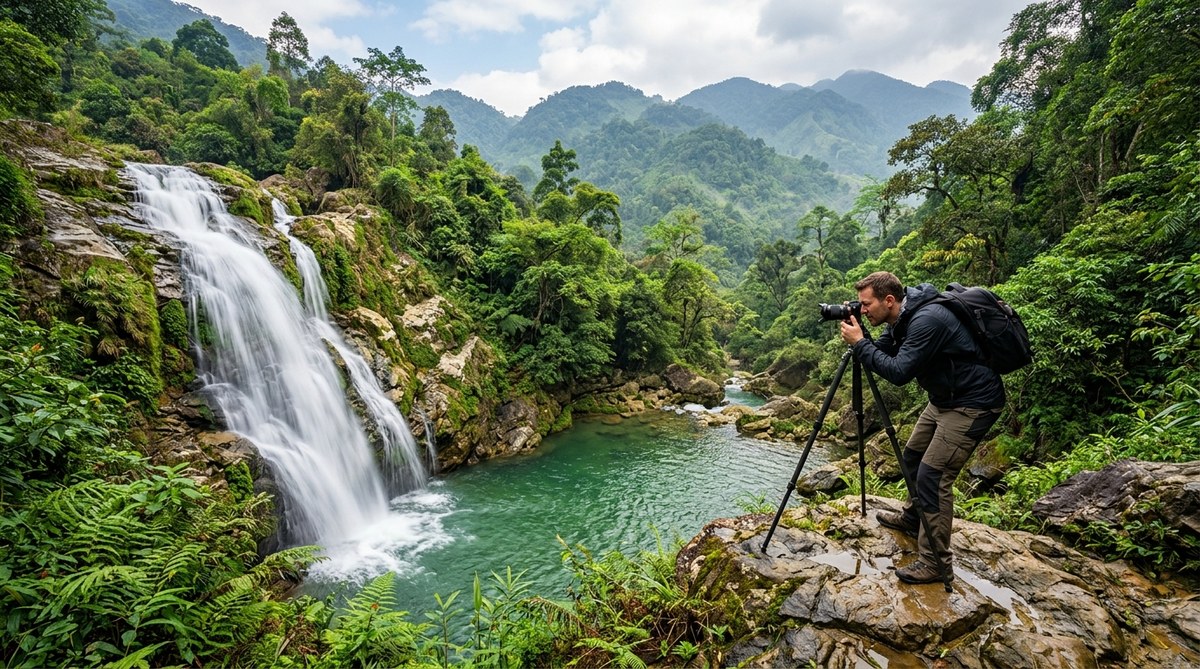
Capturing the mesmerizing beauty of waterfalls in Asian landscapes offers a rewarding challenge for photographers looking to showcase nature’s vibrant energy. From lush jungles in Southeast Asia to remote mountain streams in the Himalayas, waterfalls are dynamic subjects that demand a blend of technical skill and creative vision. With the right techniques, you can turn ordinary scenes into stunning images full of movement, color, and life. Whether you’re just starting out or seeking to refine your craft, mastering Asian waterfall landscape photography opens a window into some of the most breathtaking scenery on the planet.
Understanding the unique features of Asian waterfalls and applying specific techniques like long exposures, careful composition, and optimal lighting can help amateur photographers capture vibrant, captivating scenes. Consistent practice and attention to detail will elevate your waterfall photography skills and produce images that truly stand out.
Understanding the Unique Charm of Asian Waterfalls
Asian waterfalls are incredibly diverse. Some cascade down lush jungle cliffs, while others tumble over ancient volcanic rocks. Many are hidden in remote mountain regions, accessible only after careful planning. Recognizing the distinct qualities of these waterfalls will help you choose the right approach for each scene.
Asian waterfalls often feature vibrant surroundings—deep green foliage, colorful flowers, and sometimes striking rock formations. These elements add richness to your images but also require thoughtful composition. Many waterfalls also display varying flow rates depending on the season, so timing your visit can make a significant difference in capturing the scene’s vibrancy.
Essential Techniques for Vibrant Waterfall Photography
Achieving vivid, striking images of Asian waterfalls involves a combination of technical skills and artistic judgment. Here are key techniques to help you get started:
1. Use Long Exposure to Convey Motion
Long exposure photography is the cornerstone of waterfall imagery, transforming rushing water into silky, flowing streaks. To achieve this effect:
- Use a sturdy tripod to keep your camera steady.
- Set your camera to manual mode.
- Use a small aperture (like f/11 or higher) to ensure clarity and depth of field.
- Adjust your ISO to the lowest setting to avoid noise.
- Select a slow shutter speed, typically between 1/4 second to several seconds, depending on the flow and desired softness.
A helpful tip is to use a neutral density (ND) filter to reduce light entering the lens. This allows for longer exposures even during bright daylight, ensuring the water appears smooth without overexposing the scene.
“Long exposures reveal the dance of water in a way that stills can’t. Practice with different shutter speeds to find the perfect balance of motion and detail.” — Landscape photographer known for Asian scenery
2. Compose with the Environment in Mind
Good composition elevates your waterfall images from simple snapshots to captivating scenes:
- Use leading lines, such as rocks or branches, to guide the viewer’s eye toward the waterfall.
- Include surrounding foliage or rocks to add context and scale.
- Try different perspectives: shoot from low angles to emphasize height, or from above to capture the full flow.
- Incorporate vibrant elements like colorful flowers or moss to add contrast.
Remember, the environment around the waterfall can be just as important as the water itself. Including these elements creates a sense of place and enhances vibrancy.
3. Play with Lighting and Timing
Lighting can make or break your waterfall shots. Early mornings or late afternoons, known as golden hours, bathe scenes in warm, soft light that enhances colors and textures. Overcast days are also excellent because diffused light reduces harsh shadows and highlights, creating a balanced scene.
In Asian landscapes, seasonal changes dramatically affect waterfall appearance. Monsoon seasons bring powerful flows and lush greenery, while dry seasons reveal more rocks and less water. Planning your visits around these seasons will help you capture scenes full of color and energy.
4. Master the Technical Settings
Understanding your camera’s settings is vital:
| Technique | Mistake | Solution |
|---|---|---|
| Using fast shutter speeds for waterfalls | Water appears frozen, losing motion | Use slow shutter speeds, adjust with ND filters |
| Overexposing bright scenes | Loss of details in highlights | Use smaller apertures and lower ISO, consider graduated ND filters |
| Focusing on moving water | Soft or out-of-focus images | Focus on a nearby object, then recompose |
5. Post-Processing for Vibrant Results
Enhance colors and contrast during editing to make your waterfall images pop. Adjust saturation carefully to avoid unnatural looks. Sharpen details in rocks and foliage to add depth. Remember, subtle enhancements often yield the most natural and vibrant scenes.
Common Mistakes and How to Avoid Them
| Technique | Mistake | How to Correct |
|---|---|---|
| Ignoring weather conditions | Shooting in harsh sunlight or heavy rain | Wait for softer light or overcast days for balanced exposure |
| Overusing filters | Creating unnatural color casts | Use filters minimally and adjust during editing |
| Not scouting locations | Missing optimal viewpoints | Research and visit multiple vantage points beforehand |
| Focusing only on water | Neglecting surrounding environment | Compose to include vibrant surroundings for context |
Expert Tips for Stunning Asian Waterfall Shots
“Patience is key. Sometimes the perfect scene unfolds just after sunrise or during a sudden rain shower. Keep exploring different angles and wait for the right moment.” — seasoned landscape photographer specializing in Asian landscapes
Choosing the Right Locations for Vibrant Waterfalls
Asian regions are home to countless waterfalls. Some renowned spots include:
- Erawan Falls in Thailand’s Kanchanaburi province
- Ban Gioc Detian Falls on the China-Vietnam border
- Jog Falls in India
- Sekumpul Waterfall in Bali
- Huangguoshu Waterfall in China
Researching these locations beforehand helps plan your trip and ensures you visit during seasons of peak vibrancy. Local guides can also reveal hidden gems that aren’t widely known.
Practical Tips for Capturing Vibrant Scenes
- Always carry a tripod and ND filters.
- Use a remote shutter release or timer to prevent camera shake.
- Check weather forecasts to choose days with optimal lighting.
- Experiment with different shutter speeds to find the most pleasing effect.
- Incorporate foreground elements to add depth and interest.
- Respect nature and local customs while exploring remote sites.
Final Words: Bring Your Waterfall Vision to Life
Capturing vibrant Asian waterfalls requires patience, good technique, and an eye for detail. By understanding the environment, mastering long exposures, and experimenting with composition, you can create images that truly showcase nature’s dynamic beauty. Keep practicing and exploring new locations. Each waterfall offers a new story waiting to be told through your lens. Remember, the most stunning scenes often come from persistence and a willingness to try different approaches.
Unlocking Your Waterfall Photography Potential
With these techniques in hand, you’re ready to turn everyday waterfall scenes into vibrant works of art. Grab your camera, plan your next adventure, and let nature inspire your creativity. Waterfalls in Asia promise endless opportunities for spectacular shots—your job is to seize them with confidence and an eye for beauty.