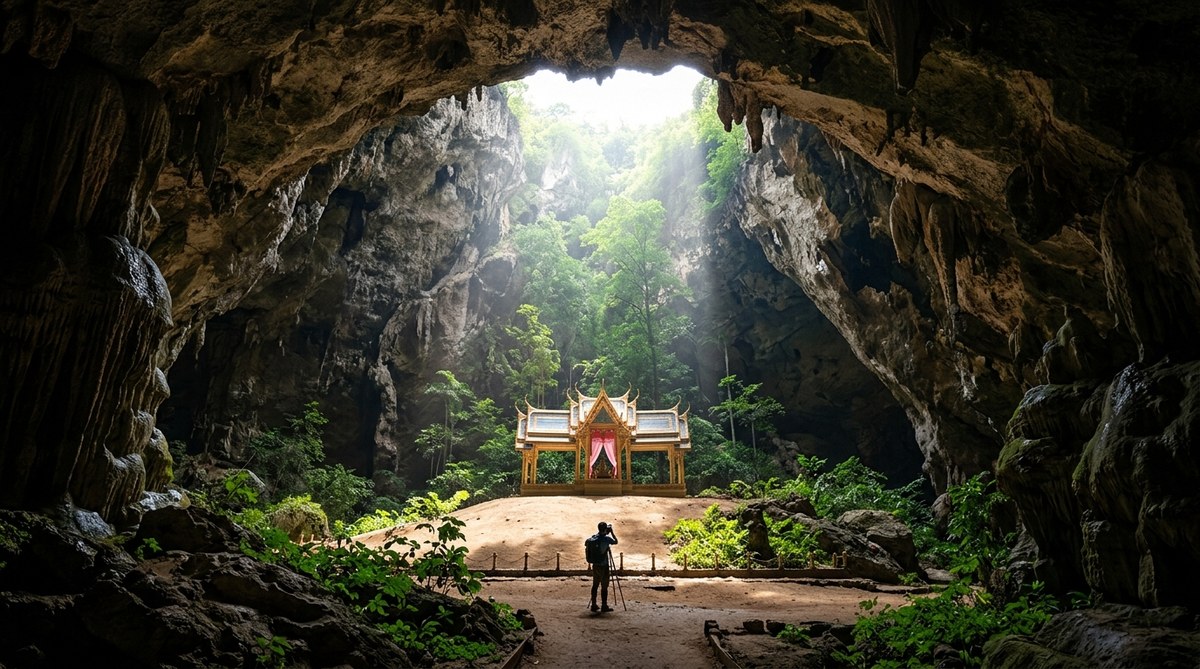
Have you ever stood at a famous Thai viewpoint, tripod ready, only to find twenty other photographers already camped out with the same shot? That feeling of seeing the same composition you planned already posted on social media the night before is frustrating. Thailand has incredible natural beauty, but the well known spots can feel crowded and overused. The real magic lives in places most tourists never see. Places where you can set up your composition without elbowing for space. Places where the light hits in ways that feel entirely your own.
Thailand holds dozens of off the radar locations perfect for landscape photography. This guide covers five hidden gems you can reach with standard planning, plus practical tips on timing, gear, and composition. You will learn where to go, when to shoot, and how to avoid the crowds while capturing images that stand out from the typical Thailand travel shots. Each location includes directions, best season, and specific photographic challenges to expect.
Why Searching for Hidden Gems Changes Your Photography
When you go to the same places everyone else photographs, your images naturally look similar. The angles have been done. The light has been studied. The compositions feel familiar. Shooting at lesser known locations forces you to think on your feet. You have to read the landscape yourself. You make your own decisions about framing and exposure. That process improves your skills faster than copying someone else's shot list.
Thailand offers an incredible range of environments. Limestone karsts, dense jungles, rice terraces, white sand beaches, and mist covered mountains. The country is small enough to travel between regions in a day, but varied enough to give you completely different backdrops each time you move. The hidden gems are scattered across every region.
Five Hidden Gems for Landscape Photography in Thailand
1. Phu Chi Fa in Chiang Rai
Most people visit Chiang Rai for the White Temple. They miss what sits an hour and a half north. Phu Chi Fa is a mountain ridge that overlooks a sea of fog during the cool season. From November to February, the valley below fills with mist that stretches to the horizon. The sun rises behind layers of distant hills, and the foreground is a grassy cliff dotted with wildflowers.
The best spot is right at the main viewpoint. Arrive by 5:00 AM to secure your position. The trail from the parking area is short, about 500 meters, but steep. Bring a headlamp. Use a wide lens between 16mm and 24mm to capture the full sweep of the fog. A telephoto lens around 70-200mm also works well for compressing the layers of distant mountains.
This location gets busy on weekends, but nothing like Doi Inthanon or Doi Suthep. The crowd is mostly local Thai tourists. You will hear friendly chatter and someone playing music from a phone. Ignore the noise. Focus on the light as it shifts from deep blue to orange.
2. Pang Ung in Mae Hong Son
Pang Ung is a pine forest and reservoir near the Myanmar border. It looks more like a scene from the Pacific Northwest than Southeast Asia. Tall pine trees line the water, and mist rolls across the surface in the early morning. The ground is covered in soft pine needles. The air smells fresh and cold.
The classic composition is a long exposure of the mist moving across the still water. Use a neutral density filter to smooth the reflections. A polarizer helps cut glare and deepen the greens of the pine needles. Arrive at dawn. The mist is thickest between 6:00 AM and 7:30 AM.
You can rent a small bamboo raft from local operators. The raft adds a human element to your landscape shots. Ask the operator to paddle slowly toward the center of the reservoir. Shoot from a low angle to include the reflection of the pines.
Getting there requires a drive from Mae Hong Son town. The road is paved but winding. Rent a car or hire a driver. Public transportation does not run to this area.
3. Phu Kradueng National Park in Loei
Phu Kradueng is one of Thailand's oldest national parks. The summit sits at 1,316 meters above sea level. The hike to the top is 8.5 kilometers and takes about four to six hours. It is not easy. But the views from the top are worth every step.
The summit plateau is wide and open. You will find cliffs, waterfalls, and fields of wild grass. The most photogenic spot is the cliff called "Lom Sak Viewpoint." It faces west. The sunset light paints the sky in layers of pink and gold. Below you, the plains of Loei stretch out like a green carpet.
Pack light but bring a sturdy tripod. The wind at the top can be strong. Use a rock or your camera bag to weigh down the tripod legs. The best season is November through February. Avoid weekends if possible. The trail gets busy with Thai students and families.
You can stay overnight in tents or bungalows on the summit. Book ahead. The park limits the number of visitors each day.
4. Thung Nui Baen Viewpoint in Nan
Nan province is often overlooked by photographers. It sits in the far north, near the border with Laos. The landscape is a mix of rolling hills, rice terraces, and traditional wooden houses. Thung Nui Baen is a viewpoint that looks out over a valley of layered rice fields.
The green season from June to October is the best time to shoot. The rice is young and bright green. The clouds are dramatic. Rain showers come and go, creating dynamic skies. Use a weather sealed camera body or bring a rain cover.
The viewpoint is easy to reach. Park at the small temple at the base of the hill and walk up for ten minutes. Shoot with a telephoto lens to isolate patterns in the fields. A wide angle works too if you want to include the whole valley.
The local farmers are friendly. Ask permission before photographing them directly. A smile and a polite "sawasdee krap" go a long way.
5. Khao Sok National Park (Cheow Lan Lake)
Khao Sok is well known, but most visitors stick to the main lake tours. The real hidden gem is the area around the northern end of Cheow Lan Lake. Fewer tourists make it that far. The limestone karsts rise straight out of the water. The jungle is thick and alive with sound.
Rent a longtail boat for a full day and ask the driver to take you to the less visited channels. You will find hidden coves, small waterfalls, and caves. The light in the late afternoon is warm and soft. The limestone cliffs glow golden.
Bring a telephoto lens for compressing the karsts. A wide angle works for the big views. Use a polarizer to manage reflections on the water. The air is humid, so keep your gear in a dry bag between shots.
The best time to visit is from December to April. The dry season means clearer skies and less rain. The lake level is lower, which exposes more of the limestone formations.
A Practical Process for Scouting Hidden Gems
Use this numbered list when you plan your next Thailand photography trip.
- Open Google Maps and switch to satellite view. Look for areas with terrain changes such as rivers, ridges, or coastlines that do not appear in typical travel guides.
- Search local Thai photography groups on Facebook. Thai photographers often share locations that never appear in English language blogs. Use Google Translate if needed.
- Check the weather forecast for your target region. Cloud cover and rain patterns matter more than temperature. Use Windy or a similar app for hourly cloud predictions.
- Arrive at your location at least one hour before sunrise or two hours before sunset. This gives you time to walk around and find your composition without rushing.
- Shoot the same spot at different focal lengths. A scene that looks average at 24mm might look stunning at 100mm.
Gear Considerations for Tropical Conditions
| Gear Item | Why It Matters | Local Tip |
|---|---|---|
| Tripod with spiked feet | Soft ground and mud require secure footing | Remove rubber caps on tripod legs before stepping into rice fields |
| Polarizing filter | Cuts glare from wet leaves and water | Useful in jungle environments after rain |
| Rain cover or dry bag | Humidity and sudden downpours damage gear | Use a silicone dry bag for extra protection |
| Lens cloth or microfiber towel | Condensation forms on lenses moving from AC to outdoors | Keep in an accessible pocket, not buried in your bag |
| Headlamp with red mode | Preserves night vision for early morning hikes | Red light does not disturb wildlife or other photographers |
How to Handle Common Challenges
"The best advice I ever got was to treat bad weather as a gift. Rainy days give you moody skies and saturated colors. Most photographers pack up and leave. That is your opportunity." — Somchai Rattanakul, Thai landscape photographer
Thailand throws specific challenges at photographers. The humidity is relentless. Your gear will sweat when you move from air conditioned transport to the outdoors. Let your camera adjust slowly. Keep it in your bag for ten minutes before pulling it out.
Mosquitoes are active at dawn and dusk. Wear long sleeves and use repellent. Do not spray repellent directly on your camera gear. The chemicals can damage coatings. Apply it to your skin and let it dry before handling your camera.
Local dogs can be a problem in rural areas. Carry a walking stick. Do not run. Stand still and speak calmly. Most dogs will lose interest and wander away.
Putting the Hidden Gems Approach to Work
Finding hidden gems for landscape photography in Thailand is not about luck. It is about preparation and willingness to go where others do not. The five locations listed here give you a strong starting point. Each one offers unique light, varied terrain, and minimal crowds when you time your visit carefully.
Start with Phu Chi Fa if you want dramatic fog shots. Choose Pang Ung for quiet forest reflections. Challenge yourself with the Phu Kradueng hike for sweeping summit views. Head to Nan for rice terrace patterns. Take a boat to the northern end of Cheow Lan Lake for limestone karsts without the tourist traffic.
For more guidance on timing your shoots, read our guide on It covers the specific light conditions you will encounter across Thailand. You can also check https://naturesbestphotography.asia/top-tips-for-capturing-vibrant-mountain-landscapes-in-asia-s-remote-regions/ for techniques that apply directly to Phu Kradueng and Phu Chi Fa.
The best images come from places that feel like yours. Not because you own them, but because you found them yourself. Pack your bag, pick one location from this list, and go see what happens.