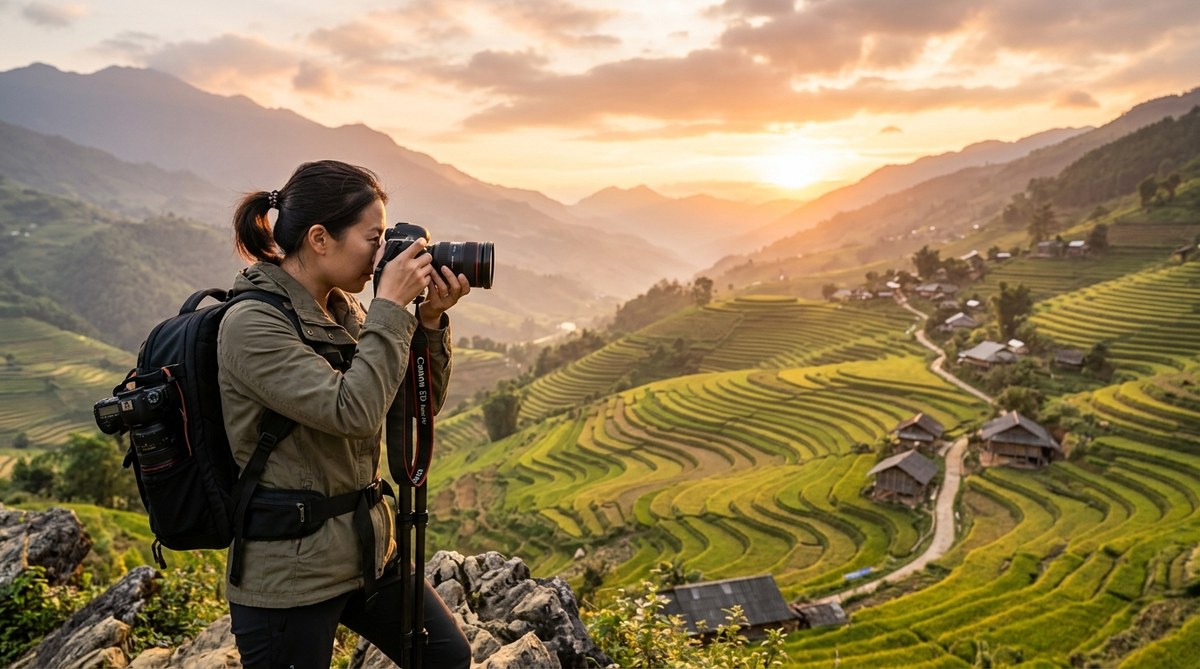
Golden hour offers some of the most enchanting lighting for travel photographers in Asia. As the sun dips toward the horizon, it bathes landscapes, cityscapes, and cultural landmarks in warm, golden hues. This fleeting moment creates a magical glow that transforms ordinary scenes into captivating images. Whether you’re standing amidst bustling streets, serene temples, or scenic vistas, understanding how to harness this light can elevate your photography and help you craft stunning travel memories.
Golden hour in Asia offers unique lighting opportunities that can turn simple scenes into extraordinary photographs. Planning ahead, understanding the light, and practicing patience are key to capturing the magic during this brief window. With the right techniques, you can make your travel images stand out and truly showcase the beauty of Asian destinations.
Why Golden Hour Matters for Travel Photography in Asia
Golden hour, the period shortly after sunrise or before sunset, produces soft, diffuse light that reduces harsh shadows and highlights. This gentle illumination enhances textures and colors, making scenes look more vibrant and inviting. In Asia, where landscapes range from lush rice terraces to bustling markets and ancient temples, golden hour lighting can add depth and mood to your shots.
This window of light is especially valuable because it’s predictable yet fleeting. Knowing when and how to shoot during this time helps you maximize your opportunities. It’s also when colors appear richer, skies more dramatic, and reflections more striking. Mastering golden hour photography unlocks a new level of visual storytelling in your travel portfolio.
Planning Your Golden Hour Shoots in Asian Destinations
Preparation is crucial when aiming to capture stunning images during golden hour. Here’s a simple process to help you get ready:
-
Research the location
Check sunrise and sunset times for your destination. Use weather apps or photography-specific tools to determine the exact timing. For example, in Southeast Asian cities like Bangkok or Bali, the golden hour can vary depending on the season and terrain. -
Scout your scene in advance
Visit the location beforehand if possible. Identify interesting foregrounds, backgrounds, and vantage points. Look for elements that will catch the golden light beautifully, such as water reflections or architectural details. -
Arrive early and set up
Be on site at least 30 minutes before the golden hour begins. Setting up your camera, adjusting settings, and composing your shot early ensures you won’t miss the perfect light. Arriving early also gives you time to adapt to changing conditions. -
Check the weather forecast
Clouds can influence the quality of golden hour light. Sometimes a few clouds add drama and diffused glow, while overcast skies may soften the light too much. Adjust your expectations accordingly. -
Plan your shot list
Having a mental or written list of shots helps you stay focused during fleeting moments. Think about different compositions, angles, and subjects you want to capture.
Technical Tips for Golden Hour Photography in Asia
Achieving stunning images during golden hour involves understanding and applying key technical principles. Here are vital tips to help you succeed:
- Use a wide aperture to create a shallow depth of field and highlight your subject. Aperture settings between f/1.8 and f/4 work well.
- Set a low ISO to maintain image quality. ISO 100 or 200 is ideal.
- Adjust your white balance to cloud or shade to preserve warm tones.
- Use a tripod if possible, especially for longer exposures or when capturing reflections and intricate details.
- Experiment with exposure. Slightly underexposing can deepen colors and increase contrast.
- Incorporate filters like a graduated ND filter to balance bright skies with darker foregrounds, especially during sunset.
“Golden hour is about patience and understanding the light. Sometimes, waiting just a few minutes can make the difference between an ordinary shot and a breathtaking one.” — Professional travel photographer
Common Mistakes and How to Avoid Them
| Mistake | How to Avoid |
|---|---|
| Overexposing highlights | Use exposure compensation to prevent blown-out skies. Check your histogram. |
| Ignoring foreground elements | Look for interesting foregrounds that add depth and context to your scene. |
| Relying solely on auto settings | Manual mode gives you control over exposure and focus, especially in tricky lighting. |
| Forgetting to check your white balance | Adjust white balance to enhance warm tones and avoid color casts. |
| Not arriving early | Punctuality ensures you capture the best light and set up your shot properly. |
Techniques to Enhance Your Golden Hour Shots
- Backlighting creates silhouettes and emphasizes shapes. Position your subject between the camera and the sun.
- Rim lighting highlights edges, adding a glow around your subject.
- Sun flares add drama. Use your hand or a lens hood to control or accentuate flare.
- Reflections in water or shiny surfaces amplify the golden hue and add symmetry.
- Silhouettes are powerful during sunset. Expose for the background to turn figures into dark shapes.
Practical Steps to Capture Better Shots
- Observe the scene before you start shooting. Notice how the light changes and where it hits.
- Compose thoughtfully. Use leading lines, frames, and rule of thirds to guide the viewer’s eye.
- Shoot in RAW to retain maximum editing flexibility.
- Take multiple shots with different settings. Variations can produce better options during editing.
- Be patient. Golden hour is brief. Wait for the moment when all elements align perfectly.
Additional Resources for Golden Hour Success
- Study location-specific tips by visiting dedicated photography guides tailored for Asian destinations.
- Practice regularly in different environments. Urban scenes in cities like Tokyo or Bangkok present unique challenges and opportunities.
- Join local or online photography groups for feedback and inspiration.
Wrapping Up Your Golden Hour Adventure
Capturing stunning travel photos during golden hour in Asia combines planning, technical skills, and patience. Each destination offers unique lighting conditions and scenes waiting to be immortalized. Embrace the unpredictability of natural light and use it to tell compelling stories of your journey. With consistent practice and a keen eye for detail, you’ll create images that truly reflect the magic of Asian landscapes and culture.
Remember, the best photos happen when you’re present and attentive to the moment. So, pack your camera, arrive early, and let the warm glow of golden hour transform your travel photography into something unforgettable.