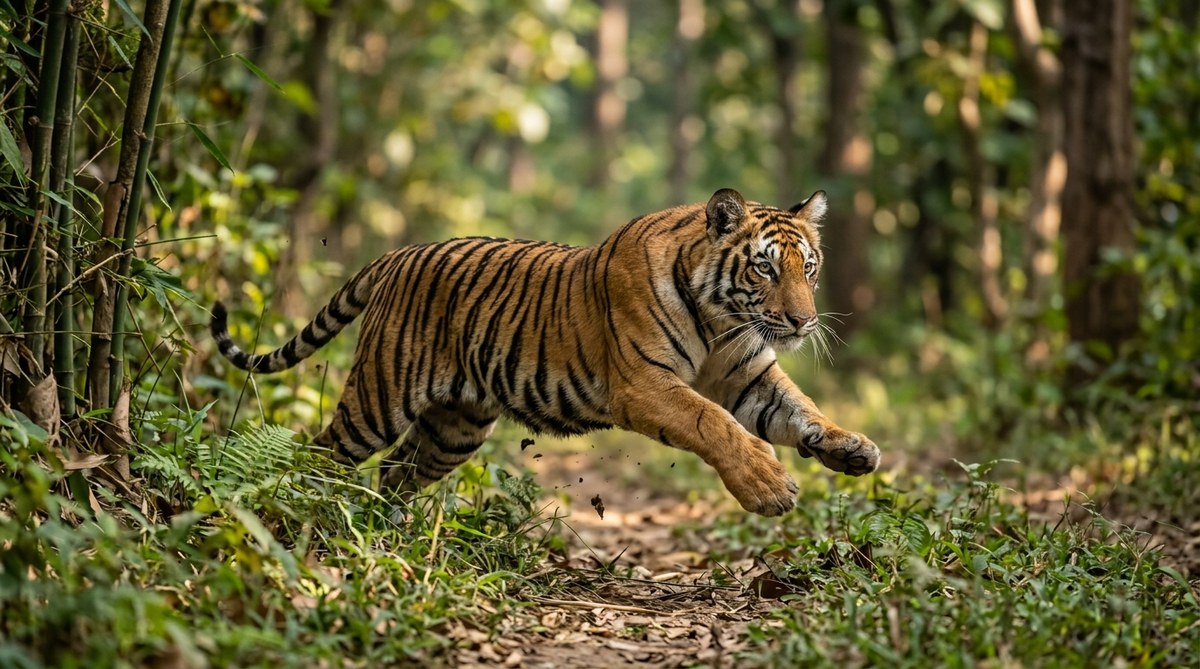
Wildlife photography in Asia offers a rich tapestry of creatures and landscapes. From the elusive snow leopards of the Himalayas to vibrant birdlife in Southeast Asia’s jungles, the continent is a playground for those eager to document nature in motion. But capturing wildlife in its most dynamic moments requires more than just a good camera. It’s about understanding animal behavior, mastering technical skills, and respecting the environment. Whether you are new to wildlife photography or looking to improve your skills, these tips will help you turn fleeting moments into powerful images.
Wildlife photography in Asia demands patience, understanding animal behavior, technical mastery, and respect for nature. Applying these tips boosts your chances of capturing vibrant, action-packed images that tell compelling stories of Asia’s diverse fauna.
Understanding Asian wildlife and their habits
Before you even pick up your camera, it’s vital to learn about the animals you hope to photograph. Each species has unique behaviors, preferred habitats, and active times. For example, tigers in India are mostly nocturnal, while many Asian birds are active during dawn and dusk. Knowing these patterns helps you plan your outings effectively. Study local wildlife guides, read about the species, and if possible, talk to local guides or park rangers. They can provide invaluable insights into animal routines and the best times and locations to see them in action.
The importance of patience and observation
Wildlife photography requires patience. Animals do not pose or wait around for you to get your shot. Instead, they move naturally, often unpredictably. Spend time observing their routines and behaviors. Watch how animals interact, where they tend to appear, and how they respond to environmental cues. This understanding allows you to anticipate moments worth capturing.
An expert wildlife photographer once said, “The key to getting great shots is patience. Sometimes it takes hours of waiting, but that’s when magic happens.” Keep your eyes open and be ready to react quickly when a moment unfolds.
Practical steps to improve your wildlife photography in Asia
-
Research and plan your trips carefully
Choose locations known for rich wildlife activity. National parks like Ranthambore in India, Kinabatangan in Malaysia, or Bokeo Nature Reserve in Laos are hotspots for diverse species. Check seasonal migrations or breeding times that increase your chances of sightings. -
Use the right gear for the environment
A telephoto lens with at least 300mm focal length is essential for capturing distant animals. Consider a fast lens with wide apertures to manage low-light conditions. A sturdy tripod or monopod helps stabilize your shots. Waterproof gear or rain covers are crucial in humid or rainy climates. -
Master camera settings for wildlife action
Adjust your camera for fast-moving subjects. Use a shutter speed of at least 1/1000 second to freeze motion. Use continuous autofocus (AF-C or AI Servo) to keep moving animals sharp. Keep ISO as low as possible to minimize noise but high enough to maintain fast shutter speeds in low light. -
Understand animal behavior to predict moments
For example, birds often take flight when threatened, and mammals may emerge during dawn or dusk. Recognizing these cues allows you to position yourself and prepare your camera in advance. -
Respect nature and maintain safety
Stay at a safe distance and avoid startling animals. Use silent shooting modes if available. Follow park rules and ethical guidelines to prevent disturbing wildlife or damaging habitats.
Common mistakes and how to avoid them
| Technique | Mistake to avoid |
|---|---|
| Using a slow shutter speed | Blurry or motion-ghosted images |
| Relying solely on autofocus | Missing the decisive moment |
| Getting too close without caution | Causing wildlife stress or threats |
| Ignoring background clutter | Distracting elements in the frame |
| Shooting in poor light | Grainy, underexposed images |
Technical tips for action shots
- Use burst mode to capture multiple frames rapidly.
- Focus on the eyes; they bring life to your images.
- Keep your camera steady, especially with long lenses.
- Use image stabilization if available.
- Practice panning to follow moving subjects smoothly.
Location matters: top spots for wildlife photography in Asia
- India: Ranthambore, Jim Corbett, Kaziranga
- Thailand: Khao Sok National Park, Kui Bha National Park
- Malaysia: Borneo’s rainforests, Kinabatangan River
- Vietnam: Cuc Phuong National Park
- Nepal: Chitwan National Park
- Indonesia: Komodo Island, Ujung Kulon National Park
Each location offers unique opportunities. Research seasonal migrations, breeding seasons, and local guides who understand animal routines in these areas.
Post-processing and storytelling
While capturing the action is vital, editing can enhance your images further. Adjust brightness, contrast, and sharpness to make your subject stand out. Cropping can tighten the composition and eliminate distractions. Use storytelling techniques by including environmental context—show animals in their habitat to convey their story.
An experienced wildlife photographer notes, “Post-processing is about enhancing reality, not creating it. Your goal is to present animals as naturally as possible but with enough impact to draw viewers in.”
Ethical wildlife photography practices
Respect for wildlife and habitats must always come first. Avoid baiting or luring animals. Maintain a safe distance to prevent stress or disturbance. Follow local regulations and guidelines. Remember, your aim is to document, not interfere.
Connecting techniques with common mistakes
| Technique | Mistake to avoid |
|---|---|
| Patience and observation | Rushing shots or disturbing animals |
| Proper gear and settings | Framing poorly or missing action |
| Respectful behavior | Causing stress or habitat damage |
Final thoughts on capturing Asia’s wild side
Wildlife photography in Asia is an adventure that challenges your patience, technical skills, and understanding of nature. By learning animal habits, preparing with the right gear, and respecting the environment, you’ll increase your chances of capturing breathtaking moments. Remember, each shot is a story, a snapshot of the vibrant life that makes Asia a true wildlife haven.
Keep practicing, stay curious, and let your passion for nature guide your camera. With time and patience, you’ll create images that not only impress but also inspire conservation and appreciation for our planet’s incredible fauna.
Keep your camera ready for the next wild encounter
Every journey into Asia’s wilderness brings new surprises. Trust your skills, respect your subjects, and enjoy the process. Happy shooting!