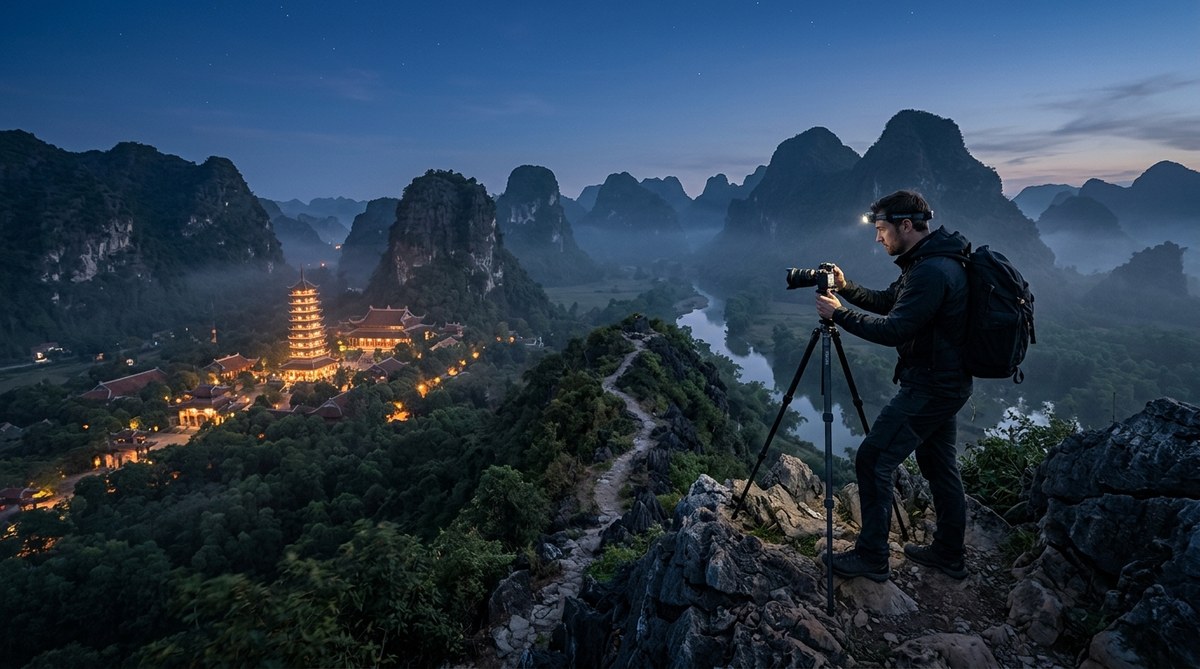
Capturing the beauty of Asian landscapes after sunset or during twilight offers a unique challenge and reward. The soft, dim light transforms familiar scenes into mysterious, mesmerizing images. But shooting in low light demands specific techniques and a good understanding of your gear. Whether you’re standing amidst bustling cityscapes or serene mountain vistas, knowing how to handle low light conditions will elevate your photography.
Mastering low light landscape photography in Asia involves understanding your camera settings, using the right equipment, and planning your shoots around optimal lighting conditions. Patience and practice allow you to capture stunning scenes with minimal noise and sharp details, even in the dimmest environments. Embrace the challenge and uncover the secrets to extraordinary night shots across diverse Asian landscapes.
Understanding the Unique Challenges of Low Light Photography in Asia
Asian landscapes are incredibly diverse, ranging from bustling city skylines and ancient temples to tranquil rice terraces and rugged mountains. Each setting presents its own lighting challenges, especially at night or during twilight. Unlike daytime shooting, low light conditions require careful control over exposure and camera stability. The key is to balance capturing enough light without introducing noise or motion blur.
In crowded urban areas like Tokyo, Bangkok, or Seoul, light pollution can both hinder and help your compositions. On the other hand, remote destinations such as the Himalayas or rural countryside might offer darker skies but less ambient light. Recognizing these differences helps you adapt your approach effectively.
Essential Gear for Low Light Landscape Photography in Asia
Investing in the right equipment is crucial for success. Here are the essentials to consider:
- Camera with good high ISO performance: Full-frame cameras typically handle noise better at higher ISO settings. However, many modern crop sensors also perform well.
- Wide-angle lens: A fast lens with a wide aperture (f/2.8 or wider) allows more light to reach the sensor, which is vital in low light.
- Sturdy tripod: Stability is everything. A reliable tripod ensures sharp images during long exposures.
- Remote shutter release or camera timer: To avoid camera shake when pressing the shutter button.
- Extra batteries and memory cards: Long exposures and cold conditions drain batteries quickly.
Practical Tips to Capture Stunning Low Light Landscapes
Achieving sharp, noise-free images in low light takes planning and technique. Here are step-by-step tips to guide your shoots across Asian landscapes:
- Scout your location during the day: Familiarize yourself with the scene. Find interesting foreground elements and compose your shot.
- Plan around golden hour and blue hour: The moments just after sunset and before sunrise provide beautiful ambient light that enhances your scene.
- Use manual settings: Control your camera to set the right aperture, shutter speed, and ISO.
- Set a low ISO: Keep noise to a minimum by selecting the lowest ISO your camera can handle while still allowing proper exposure.
- Adjust shutter speed: Use longer exposures to gather more light. Start with a few seconds and adjust based on the scene.
- Use a tripod and remote release: Steady your camera for crisp images. Avoid any movement during long exposures.
- Experiment with white balance: Set it manually to match the mood you want, such as cooler tones for twilight or warmer for cityscapes.
- Review and adjust: Check your images periodically. Use your camera’s electronic viewfinder or LCD to assess exposure and sharpness.
- Take multiple shots: Bracket exposures for HDR processing if needed, especially in high-contrast scenes.
- Post-process thoughtfully: Reduce noise, enhance details, and adjust colors for the best results.
Techniques and Mistakes to Avoid
Understanding common pitfalls can save you time and frustration. Here’s a quick comparison table:
| Technique | Mistake to Avoid |
|---|---|
| Using a narrow aperture (f/8 or higher) in low light | Underexposing your shot, losing detail in shadows |
| Relying solely on auto ISO | Producing noisy images or overexposed highlights |
| Forgetting to stabilize your camera | Blurry images due to camera shake |
| Shooting in JPEG only | Losing flexibility in editing and noise control |
| Ignoring white balance adjustments | Colors appearing unnatural or dull |
“Patience is your best friend in low light photography. Take your time to set up, experiment with settings, and review your shots. The more you practice, the more you’ll understand how your camera reacts to different lighting conditions.” – a seasoned landscape photographer
Embracing the Night: Creative Ideas for Asian Landscapes
Low light photography opens up creative possibilities. Consider capturing reflections in water bodies at dusk, light trails from passing vehicles in cityscapes, or star trails over mountain peaks. Use foreground elements like lanterns, temples, or trees to add depth and interest.
In some locations, like the temples of Angkor or the pagodas of Myanmar, artificial lighting can create stunning contrasts against dark backgrounds. Combining long exposures with light painting can produce surreal, captivating images.
Final Thoughts on Mastering Low Light Landscape Photography in Asia
Lighting conditions vary greatly across Asia’s vast landscapes. The key is to be adaptable, patient, and prepared. With the right gear and techniques, you can turn the dimmest scenes into breathtaking images that tell compelling stories. Always remember to respect local customs and environment while shooting.
Take your time to scout, plan, and experiment. Night and twilight scenes are where your creativity can truly shine. Keep practicing, and you’ll find yourself capturing the magic of Asian landscapes even after the sun goes down. Your best night shots are waiting just beyond the twilight horizon.