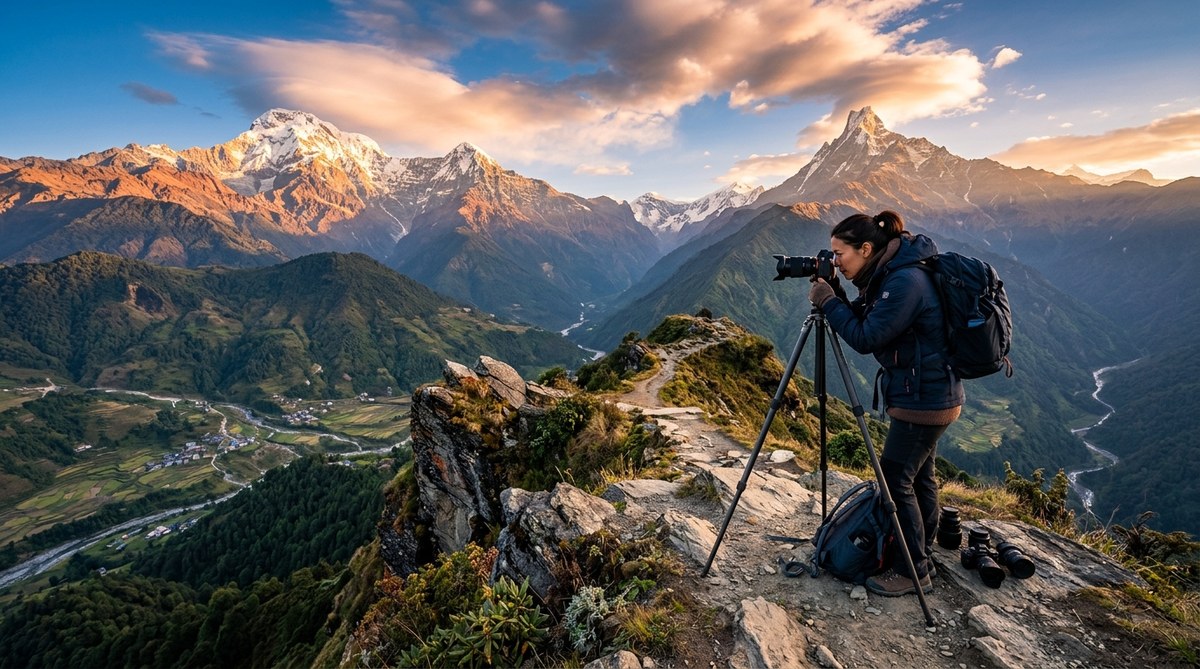
Capturing the breathtaking beauty of Asia’s remote mountain regions is a rewarding challenge for any photographer. Towering peaks, dramatic skies, and untouched wilderness create perfect scenes for stunning images. Yet, these locations also demand preparation, patience, and a good understanding of landscape photography techniques. Whether you’re an amateur looking to improve or a professional seeking fresh inspiration, mastering mountain landscape photography in Asia involves more than just pointing your camera. It’s about understanding the environment, technical mastery, and storytelling through your images.
Capturing vibrant mountain landscapes in Asia’s remote regions requires careful planning, understanding of lighting and composition, and patience. Focus on early mornings and late evenings, use appropriate gear, and adapt to changing weather to create stunning images that showcase these majestic environments.
Setting the Stage for Mountain Landscape Success
Remote Asian mountain regions offer unparalleled scenery, from the jagged peaks of the Himalayas to the lush volcanic landscapes of Indonesia. These locations provide endless opportunities for dramatic photos but also pose unique challenges. High altitudes, unpredictable weather, and difficult access make planning essential. Knowing how to approach these environments can turn a good shot into a truly memorable image.
Choosing the Right Gear for Asian mountain vistas
Gear selection is crucial for mountain landscape photography. Lightweight gear helps when trekking through remote areas, while sturdy tripods stabilize shots in windy conditions. A wide-angle lens is ideal for capturing expansive vistas, while a telephoto allows you to isolate distant peaks or wildlife. Consider bringing a polarizer to reduce glare and enhance colors, especially when photographing reflective lakes or snow-capped summits. A neutral density filter can help manage bright sunlight during midday shots.
Mastering Composition in mountain environments
Great mountain photos hinge on compelling composition. Use natural elements like foreground rocks, trees, or flowers to add depth and scale. Leading lines such as ridges, rivers, or trails guide viewers through the scene. Pay attention to the rule of thirds to balance your shot. Don’t forget to include the sky, especially during sunrise or sunset, when colors can dramatically transform the landscape. Remember that patience often leads to the best moments, especially when waiting for the perfect light or weather.
Technical Tips to Elevate Your Mountain Photography
Mastering camera settings and techniques will help you make the most of challenging lighting conditions:
- Use a small aperture (f/8 to f/16) for sharpness across the scene.
- Shoot in RAW format to retain maximum image data for editing.
- Adjust ISO to the lowest setting possible to reduce noise.
- Use a tripod for stability during long exposures or panoramic shots.
- Take bracketed exposures to capture scenes with high contrast, especially during sunrise or sunset.
- Experiment with HDR processing to bring out details in shadows and highlights.
“Patience and preparation are your best tools when photographing remote mountain landscapes. Wait for the right light, and you will be rewarded with images that truly pop.” — Mountain landscape photographer Jane Smith
Planning Your Trip and Shooting Strategy
- Research Locations: Look for less-visited spots that offer unique perspectives. Sites like the Karakoram range in Pakistan or the volcanic islands of Japan provide dramatic scenery without the crowds.
- Check Weather and Seasons: Mountain weather can change rapidly. Visiting during the shoulder seasons, such as spring or autumn, often yields better lighting and fewer weather disruptions.
- Timing is Everything: Golden hour—shortly after sunrise or before sunset—gives your images warm, soft light. Overcast days can also produce excellent diffused lighting, reducing harsh shadows.
- Scout in Advance: If possible, visit your location beforehand or study maps and satellite imagery to identify the best vantage points.
- Prepare for Altitude and Access: High-altitude locations require acclimatization and physical readiness. Pack light but include necessary gear for cold or wet conditions.
Common pitfalls and how to avoid them
| Technique | Mistake | How to Avoid |
|---|---|---|
| Overexposing highlights | Bright snow or clouds blowing out details | Use graduated ND filters or exposure bracketing |
| Focusing on the wrong element | Missing the main subject | Use focus peaking or manual focus for precision |
| Ignoring foreground | Flat, uninteresting images | Incorporate interesting foreground elements for depth |
| Relying on auto settings | Poor exposure control | Learn to manually adjust settings based on scene |
Enhancing Your Images with Post-Processing
Post-processing can make your mountain scenes stand out. Adjust contrast and saturation to emphasize colors, particularly during sunrise or sunset. Use sharpening carefully to bring out details in rocks and peaks. HDR processing helps balance exposure in scenes with both bright skies and dark valleys. Remember to keep edits natural; the goal is to enhance, not distort the scene.
Final Words on Mountain Photography in Asia
Capturing the vibrant beauty of Asia’s remote mountain regions requires a mix of technical skill, careful planning, and patience. Each location has its own personality and challenges, but the rewards are immense. By choosing the right gear, understanding composition, and timing your shots, you can create images that showcase the majesty of these landscapes. Remember, the most striking photos often come from moments of quiet observation and perseverance. Pack your gear, do your research, and let the mountains inspire your creativity.
Keep Your Passion Alive in Remote Mountain Regions
As you venture into these awe-inspiring environments, embrace the journey and the learning process. Every hike, weather change, and lighting condition offers new opportunities. With preparation and patience, you’ll develop a portfolio of vibrant mountain landscapes that reflect the true spirit of Asia’s wild and majestic terrains. Happy shooting!