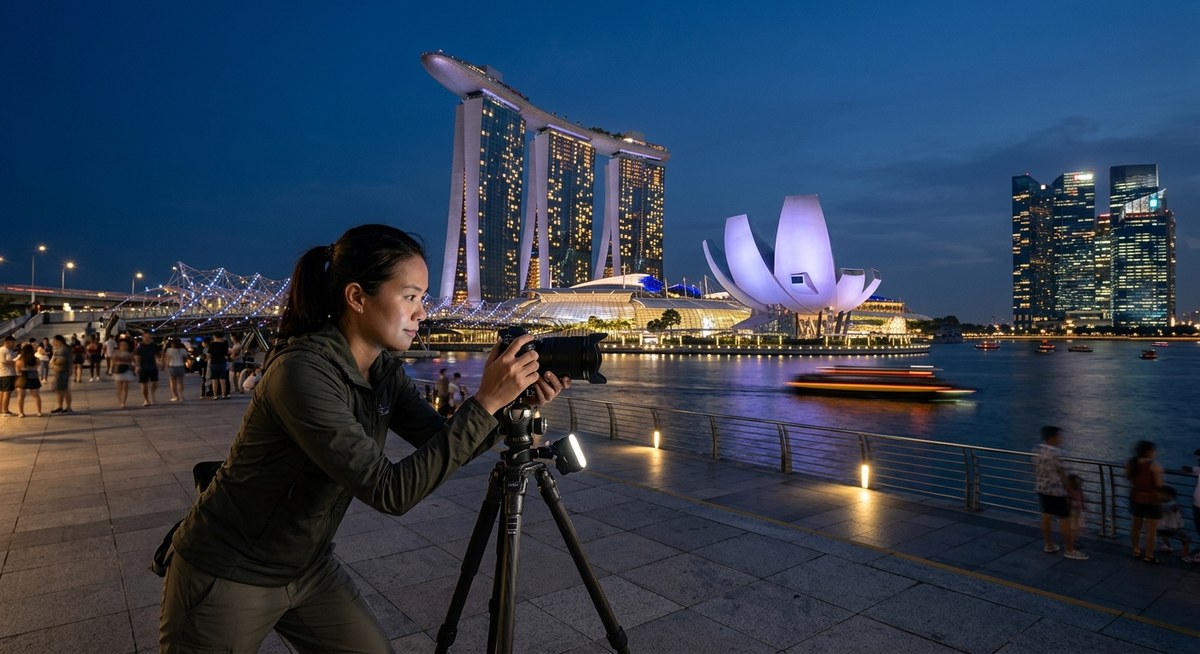
Night photography of Asia’s landmarks offers a chance to see some of the world’s most iconic sights in a new light. The glowing temples of Thailand, the illuminated skyline of Hong Kong, or the shimmering pagodas of Myanmar are all stunning subjects after dark. Capturing these scenes requires more than just pointing your camera and clicking. It’s about understanding the technicalities, planning your shot, and embracing the magic of the night. Whether you’re a seasoned shooter or just starting out, this guide will help you master the art of night photography across Asia’s most famous landmarks.
Capturing Asia’s iconic landmarks at night combines technical skill and artistic vision. Planning your shot, using the right gear, and understanding camera settings will help you create stunning nightscapes that highlight the beauty and atmosphere of these famous sites.
Understanding The Unique Charm Of Night Asian Landmarks
Night photography transforms Asia’s landmarks into glowing symbols against the dark sky. The temples in Angkor Wat, the skyline of Hong Kong, or the pagodas of Myanmar take on a new character after sunset. The ambient lighting, reflections, and shadows all add depth and drama to your images. Shooting at night also invites creative experimentation — long exposures can turn moving lights into streaks, while reflections in water add symmetry and interest. Knowing the story behind each site can also inspire your compositions, making your images more meaningful.
Essential Gear For Night Photography In Asia
Getting the right equipment is key. Here’s what you’ll want to have:
- Camera: A DSLR or mirrorless camera with manual controls.
- Lenses: A wide-angle lens (like 16-35mm) for sweeping cityscapes, and a fast lens (f/2.8 or lower) for low-light conditions.
- Tripod: Stability is crucial for long exposures.
- Remote shutter release: To avoid camera shake during long shots.
- Extra batteries: Night photography can drain batteries quickly.
- Headlamp or torch: For setup in dark environments.
Investing in a sturdy tripod and a lens with a wide aperture will make a big difference. Keep your gear protected from the elements, especially in humid or rainy climates common in many Asian locations.
How To Prepare For Night Shots
Preparation ensures smooth shooting when the darkness falls. Here are some steps to follow:
- Scout the location during daylight. Find good vantage points and note the lighting conditions.
- Research the best time for night shots. Many landmarks look stunning when lit after sunset. Check local schedules for light shows or special illuminations.
- Plan your composition. Think about foreground interest, reflections, and framing.
- Set your camera in advance. Pre-focus on a distant point during daylight, then switch to manual focus to avoid hunting in low light.
- Check weather forecasts. Clear nights provide better visibility and less haze.
Technical Settings For Stunning Nightscape Shots
Achieving sharp, well-exposed night images involves understanding your camera’s settings. Here’s a step-by-step process:
- Use a tripod to keep your camera steady.
- Set the ISO as low as possible, typically between 100 and 400, to minimize noise.
- Select a small aperture (f/8 to f/16) for depth of field and sharpness.
- Adjust shutter speed based on light conditions; long exposures of 10 to 30 seconds are common.
- Use manual focus or focus peaking if available.
- Disable image stabilization if your camera has it when using a tripod.
- Take test shots and adjust accordingly.
Remember that each location may require slight modifications. For example, a brightly lit pagoda may need a shorter exposure than a darker temple.
Practical Techniques To Elevate Your Night Shots
- Long exposures reveal the movement of clouds, cars, or water, creating dynamic images.
- Playing with reflections in lakes, rivers, or wet streets can add symmetry.
- Light painting involves using a flashlight or LED to add artistic touches.
- HDR stitching combines multiple exposures for high-detail images, especially in scenes with high contrast.
Common Mistakes To Avoid
| Mistake | Why It Happens | How To Fix It |
|---|---|---|
| Overexposing highlights | Bright lights like lanterns or streetlights can blow out details | Use spot metering and reduce exposure or use graduated filters |
| Blurry images | Camera shake during long exposure | Use a sturdy tripod and remote shutter release |
| Wrong focus | Autofocus struggles in low light | Focus during the day or use manual focus with live view zoom |
| Ignoring foreground | Flat images lacking depth | Include interesting foreground elements |
Expert Advice On Night Photography
“Always plan your shot and think about what story you want to tell. Night photography isn’t just about technical settings, but about capturing the mood and atmosphere that only darkness can provide.” — seasoned photographer in Asia
Best Locations To Practice Night Photography
- Bangkok’s Grand Palace: The illuminated architecture against the night sky is mesmerizing.
- Hong Kong skyline: Victoria Harbour’s reflections and the light show on skyscrapers create a perfect scene.
- Angkor Wat in Cambodia: The temple complex lit softly at night offers mystical scenery.
- Tokyo Tower and Rainbow Bridge: These iconic structures look fantastic when lit up from the city’s viewing points.
- Bagan’s temples in Myanmar: The silhouette of pagodas glowing under the starry sky is surreal.
Tips To Capture The Spirit Of Each Landmark
- Use leading lines to draw the eye towards the main feature.
- Incorporate local elements or cultural symbols into your composition.
- Consider the story behind the landmark to enhance emotional impact.
- Be patient and take multiple shots to get the perfect exposure.
Final Thoughts On Night Asian Landmark Photography
Night photography of Asia’s landmarks is a rewarding craft. It challenges you to think differently about light, composition, and timing. Patience and preparation are your best allies. When you understand your gear, scout your locations carefully, and experiment with settings, you’ll create images that glow with the essence of these incredible sights. Grab your camera, plan your night shoot, and let the magic of Asia’s landmarks inspire your next masterpiece.
Happy shooting!