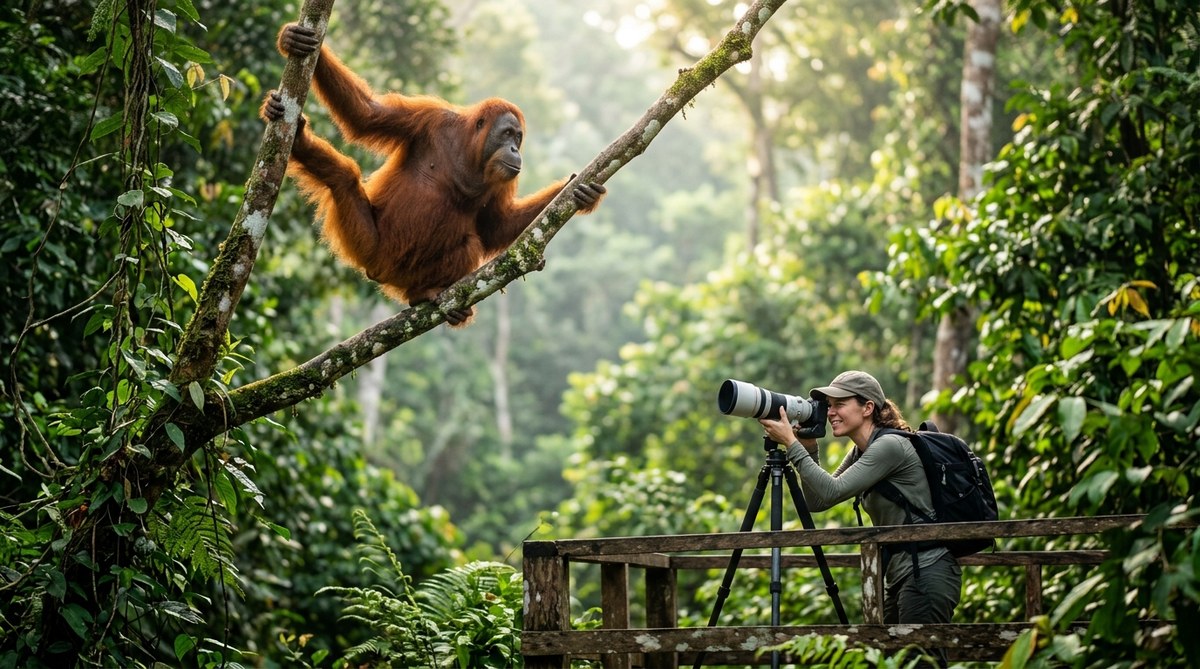
Capturing wildlife in its natural habitat is both challenging and exhilarating. Asia offers a rich tapestry of ecosystems, from lush rainforests to arid deserts, making it a dream for wildlife photographers. Whether you’re after majestic tigers prowling in the wild or colorful bird species fluttering through the canopy, Asia’s top destinations promise unforgettable photographic adventures. Prepare your gear and get ready to explore some of the most camera-friendly spots on the continent.
Asia boasts diverse landscapes and habitats that are perfect for wildlife photography. From iconic national parks to hidden gems, knowing the best locations and techniques can help you capture stunning images of rare and fascinating creatures in their natural environment.
The allure of Asia’s wildlife photography hotspots
Asia’s vast and varied landscapes host some of the world’s most extraordinary wildlife populations. For photographers, these regions offer opportunities to document rare species and breathtaking scenery. From the dense jungles of Borneo to the expansive plains of Mongolia, each destination provides unique challenges and rewards. Understanding the best spots to visit and the optimal times to go can significantly boost your chances of capturing that perfect shot.
Top wildlife photography destinations in Asia
1. Ranthambore National Park, India
Ranthambore is famous for its Bengal tigers. This park in Rajasthan offers a mix of lakes, ancient ruins, and open grasslands. Early morning safaris reveal tigers lounging in the tall grass or stalking prey. The park’s dry season from October to June is considered ideal for sightings. Besides tigers, you can photograph leopards, marsh crocodiles, and a variety of birdlife.
2. Kinabatangan River, Borneo
This river in Malaysian Borneo is a haven for wildlife lovers. The lush riverbanks are home to orangutans, pygmy elephants, and proboscis monkeys. Boat safaris at dawn or dusk provide excellent opportunities for capturing animals in their natural environment. The best time to visit is during the dry season from March to October, when wildlife is most active.
3. Yala National Park, Sri Lanka
Yala offers one of the highest densities of leopards in the world. Its diverse habitats include scrublands, freshwater lagoons, and forests. Early mornings are prime time for spotting big cats along with elephants, crocodiles, and exotic birds. The park is accessible year-round, but the dry season from February to July increases your chances of sightings.
4. Gunung Leuser National Park, Indonesia
Located in Sumatra, this UNESCO World Heritage site is known for its orangutans, Sumatran tigers, and rhinoceroses. Trekking through the rainforest offers chances to photograph these elusive animals. The dry season from May to September provides better visibility and animal activity.
5. Kaziranga National Park, India
Famous for its one-horned rhinoceroses, Kaziranga also hosts tigers, elephants, and a vast array of bird species. The park’s grasslands and wetlands are perfect for wide-angle shots. Visiting during the winter months from November to April ensures the best wildlife encounters.
6. Komodo National Park, Indonesia
Beyond the famous dragons, Komodo is home to vibrant marine life and sea turtles. While not traditional land-based wildlife photography, underwater shots of the coral reefs and marine creatures offer stunning alternatives. The dry season from April to December provides calm seas and great visibility.
7. Taman Negara, Malaysia
This ancient rainforest is a hotspot for photographing diverse flora and fauna. Proboscis monkeys, hornbills, and monitor lizards are among the highlights. Guided jungle walks during early morning or late afternoon are best for wildlife sightings.
8. Sundarbans, India and Bangladesh
This vast mangrove forest is a unique habitat for the elusive Bengal tigers. Boat safaris at dawn and dusk are ideal for capturing these magnificent predators along with crocodiles and aquatic birds. Visit during the cooler months from November to February for optimal conditions.
Practical steps for capturing wildlife in Asia
-
Research and plan your trip
Identify the best seasons, park regulations, and local guides. Learning about species behaviors can help you anticipate moments worth recording. -
Pack appropriate gear
Bring a telephoto lens, tripod, extra batteries, and weather protection. A fast lens (like f/2.8 or wider) is essential for low-light conditions and capturing fast-moving animals. -
Respect the environment and animals
Maintain a safe distance and avoid disturbing wildlife. Ethical photography ensures the preservation of these habitats for future generations.
Techniques and common pitfalls
| Technique | What to do | Common mistake |
|---|---|---|
| Use a fast shutter speed | Freeze motion of moving animals | Shooting with slow shutter speeds causes blur |
| Focus on the eyes | Create compelling portraits | Forgetting to focus on the animal’s eyes makes photos less engaging |
| Shoot during golden hours | Capture warm, soft lighting | Shooting in harsh midday sun causes overexposed images |
| Incorporate environment | Show the habitat context | Cluttered or distracting backgrounds diminish impact |
“Patience is the most vital skill in wildlife photography. Often, the best shots come after waiting quietly for animals to appear naturally.” — renowned wildlife photographer
Final tips for your wildlife photography journey
- Be adaptable. Wildlife is unpredictable, so flexibility improves your chances.
- Study local behaviors. Understanding how animals behave helps in predicting their movements.
- Practice silent shooting. Minimize noise to avoid startling animals.
- Respect local regulations. Always follow park rules and guidelines to protect both wildlife and yourself.
Nature’s canvas awaits your lens
Venturing into Asia’s wildlife hotspots can be a rewarding experience for photographers eager to document the continent’s incredible diversity. Each location offers its own set of challenges and surprises. With preparation, patience, and respect for nature, you’ll be able to capture images that tell compelling stories of life in the wild. Pack your camera gear, learn about the areas you visit, and step into the world of Asia’s remarkable wildlife. Your next great shot could be just around the corner.