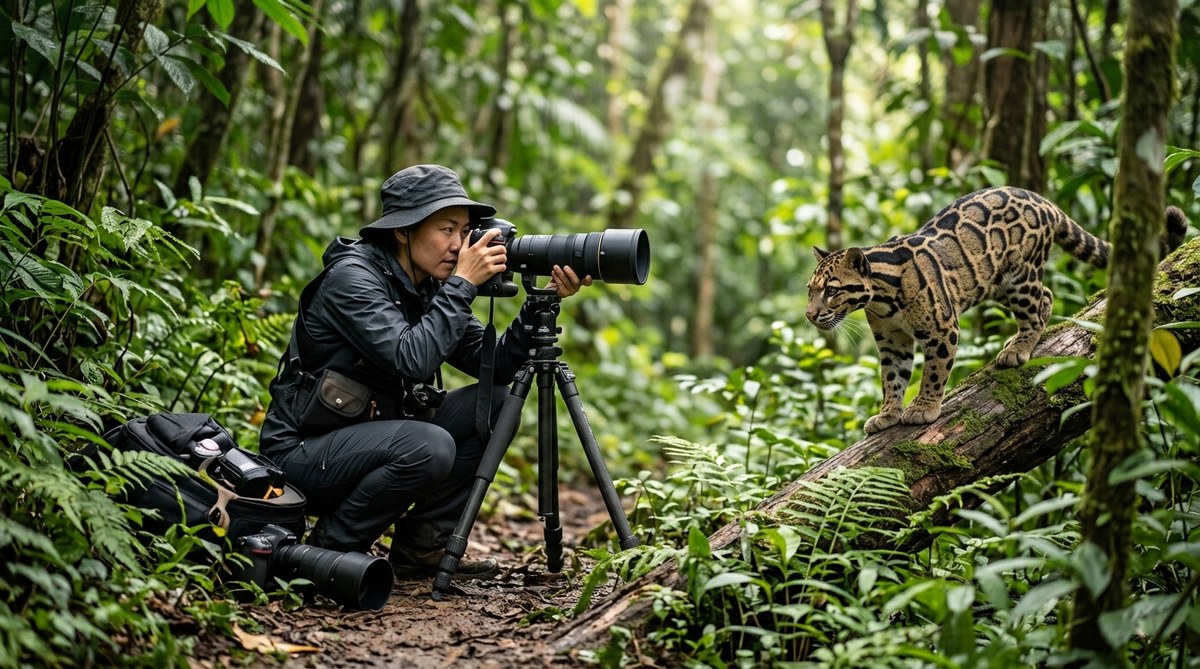
Wildlife photography in Asia offers a chance to witness some of the world’s most incredible and elusive animal moments. From the dense jungles of Borneo to the vast plains of Mongolia, capturing these fleeting scenes requires patience, skill, and a good understanding of the environment. Whether you’re an amateur eager to improve or a professional seeking new techniques, this guide will walk you through practical steps to elevate your wildlife photography game and help you seize those rare, unforgettable animal moments.
Capturing wildlife in Asia demands patience, knowledge of local habitats, and mastery of camera settings. Focus on understanding animal behavior, choosing the right gear, and respecting nature to get stunning, rare moments on camera.
Understanding the Importance of Location and Timing
Choosing the right location and time of day can make a huge difference in wildlife photography. Asia’s diverse ecosystems host a wide array of animals, each with their own habits and active periods. For example, early mornings and late afternoons often yield better lighting and animal activity. Popular spots like the Kaziranga National Park in India, the Danum Valley in Malaysia, or the Yala National Park in Sri Lanka are known for their rich wildlife.
Knowing when animals are most active helps you plan your shoots effectively. For instance, many predators hunt at dawn or dusk, making these times ideal for capturing action shots. Additionally, understanding seasonal patterns helps you anticipate animal movements, such as migratory bird arrivals or breeding seasons.
Practical steps for location and timing:
- Research specific habitats and their animal inhabitants.
- Check seasonal patterns for your target species.
- Plan your shoots during dawn and dusk for optimal lighting and activity.
- Use local guides who understand animal behavior and terrain.
Essential Gear for Wildlife Photography in Asia
Having the right equipment is critical for capturing those rare and fleeting animal moments. While high-end gear can help, you can still get great shots with a well-chosen kit. Here’s what to consider:
- Camera: A DSLR or mirrorless camera with fast autofocus and good low-light performance.
- Lenses: A telephoto lens (at least 300mm) to get close-up shots without disturbing animals.
- Tripod or Monopod: For stability during long exposures or in low light.
- Filters: UV or polarizing filters to reduce glare and improve clarity.
- Memory Cards and Batteries: Extra storage and power are vital for long days in the wild.
Tips for gear selection:
- Opt for lightweight gear if you plan to trek through dense forests.
- Use image stabilization features to counteract camera shake.
- Carry a rain cover to protect your equipment in humid conditions.
Common mistakes to avoid:
| Technique | Mistake |
|---|---|
| Using a lens with too narrow a zoom | Missing close-up opportunities |
| Shooting without a tripod in low light | Blurry images |
| Ignoring weather conditions | Equipment damage or poor shots |
Mastering Camera Settings and Techniques
Getting the perfect shot often hinges on understanding your camera’s settings. Here are some key tips:
- Use a fast shutter speed (at least 1/1000 sec) to freeze motion.
- Set a wide aperture (f/4 or lower) for a blurred background that highlights your subject.
- Use continuous autofocus to track moving animals.
- Adjust ISO based on lighting conditions to balance exposure.
Practical process for capturing that perfect moment:
- Scout the location and identify potential animal spots.
- Set your camera in burst mode to maximize chances of capturing action.
- Be patient and silent to avoid disturbing animals.
- Observe behavior to anticipate moments worth capturing.
- Take multiple shots to ensure you get the best frame.
Expert advice
“Understanding animal behavior is half the battle won. Spend time observing your subjects and learn their routines. This patience allows you to anticipate their actions and capture more natural, compelling shots.” — Wildlife photographer Alex Chen
Techniques to Capture Rare and Dynamic Animal Moments
Rare sightings require a combination of patience, technical skill, and quick reflexes. Here are some techniques to help you succeed:
- Pre-focus on a specific spot where animals are likely to appear.
- Use high burst rates to capture a sequence of movements.
- Employ silent shooting modes to avoid startling animals.
- Adjust your position to get the best angle without disturbing wildlife.
- Be ready for unpredictable moments like sudden movement or interactions.
Common mistakes when trying to capture rare moments:
- Relying solely on luck instead of preparation.
- Moving too quickly or noisily.
- Ignoring background elements that distract from your subject.
| Technique | Mistake |
|---|---|
| Pre-focusing on a known animal trail | Missing the action due to unprepared focus |
| Using high burst mode | Overwhelming your storage or missing key moments |
| Positioning yourself at eye level | Creating more engaging, natural shots |
Respecting Nature While Shooting
Respect for wildlife and their habitats is fundamental. Remember that your presence can influence animal behavior or cause stress. Always maintain a safe distance, avoid loud noises, and follow local regulations. Many Asian parks and reserves have guidelines for photographers to minimize impact.
Being a responsible photographer not only preserves the environment but also ensures animals behave naturally, resulting in more authentic images.
Final Tips for Elevating Your Wildlife Photography in Asia
- Stay patient and prepared for unpredictable moments.
- Learn about local animals and their habits for better anticipation.
- Invest in quality gear suited for your environment.
- Practice technical skills regularly to improve shot quality.
- Respect and protect wildlife to ensure these moments remain accessible for future generations.
Wild Encounters Await: Capture Asia’s Wildlife Wonders
Diving into wildlife photography in Asia is about more than just snapping pictures. It’s about connecting with nature, understanding animal behaviors, and honing your skills to seize fleeting moments. With patience and preparation, you’ll find yourself capturing images that tell powerful stories of the natural world. Keep learning, respect your subjects, and enjoy each adventure behind the lens. Your next unforgettable shot is just around the corner.