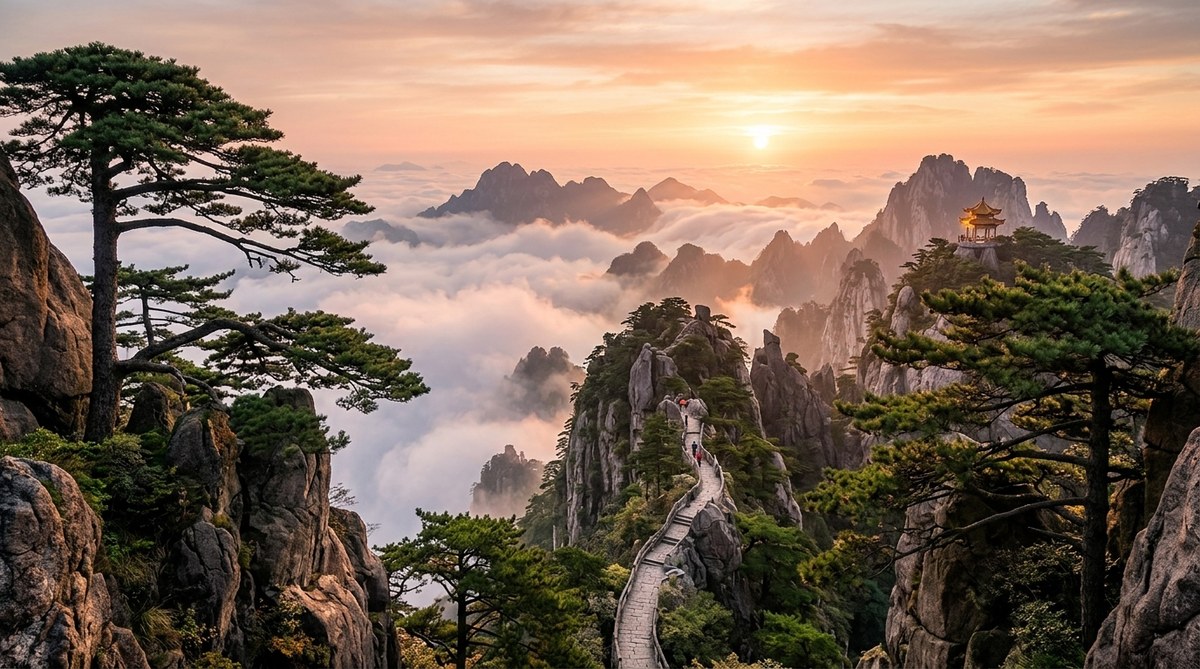
Looking at a breathtaking Asian landscape photo can leave you in awe. But capturing that stunning scene is only part of the journey. The real magic happens during editing. With the right techniques, you can turn a good shot into a captivating masterpiece that showcases Asia’s diverse beauty. Whether you shoot mountain ranges in Nepal or vibrant rice terraces in Bali, knowing how to edit these images is key to making them stand out.
Effective Asian landscape photography edits highlight natural colors, balance exposure, and enhance details. Mastering these steps helps create vibrant, professional-looking images that truly capture Asian scenery’s essence.
Understanding the Unique Aspects of Asian Landscapes
Asian landscapes are incredibly diverse. From the lush jungles of Thailand to the arid deserts of Mongolia, each setting offers unique colors, textures, and lighting conditions. Recognizing these differences is vital when editing. For example, tropical scenes often have vibrant greens and blues, while mountain vistas might feature dramatic contrasts and cooler tones.
Knowing the characteristics of your scene allows you to make informed editing choices. The goal is to enhance what’s already there without losing the authenticity of the landscape. The following techniques will guide you through achieving natural yet striking results tailored to Asian scenery.
Essential Editing Techniques for Asian Landscape Photos
Achieving stunning results requires a combination of technical skill and artistic vision. Here are steps to help you refine your Asian landscape images.
1. Start with a solid base in raw editing
Always shoot in RAW if possible. RAW files preserve the maximum amount of data, giving you more flexibility during editing. Begin by adjusting basic settings like exposure and contrast. Aim for a balanced histogram that captures details in the shadows and highlights.
2. Correct color temperature and tint
Asian landscapes often feature warm sunset hues or cool mountain shades. Adjust the white balance to match the scene’s natural tone. For sunrise or sunset shots, slightly warm the temperature to emphasize golden hues. For cooler mountain scenes, shift towards blue or cyan to enhance the icy atmosphere.
3. Enhance details with clarity and texture
Use clarity and texture sliders to bring out fine details like mountain ridges, foliage, and water ripples. Be cautious not to overdo it, as excessive sharpening can introduce noise or halos around edges. A subtle touch preserves the natural feel of the landscape.
4. Balance exposure and contrast
Asian landscapes can have high dynamic ranges, from bright skies to shadowed valleys. Use local adjustments or graduated filters to balance exposure across the image. Increase contrast to make elements pop, but avoid crushing shadows or blowing out highlights.
5. Boost colors carefully
Vibrance and saturation sliders enhance colors without oversaturating. For scenes with rich foliage or vibrant city lights, fine-tune these settings to make the colors vivid yet realistic. Remember, subtlety often produces the most compelling images.
6. Use graduated filters or masks for targeted adjustments
Apply graduated filters to enhance the sky or foreground separately. For instance, darken a bright sky or brighten shadowed areas in the foreground. Masks enable precise control over specific parts of the image.
7. Add a touch of drama with local edits
Use adjustment brushes to sharpen focal points or enhance specific textures like waterfalls or mountain peaks. This draws viewers’ eyes and adds depth to the scene.
Common mistakes to avoid during editing
| Technique | Mistake | Effect |
|---|---|---|
| Over-saturating | Colors look unnatural | Distracts from the scene’s authenticity |
| Excessive sharpening | Creates halos and noise | Diminishes image quality |
| Ignoring dynamic range | Highlights or shadows are lost | Reduces detail and depth |
| Overusing filters | Flat or unnatural look | Harms overall realism |
| Forgetting to crop | Composition feels off | Weakens visual impact |
Expert insights on Asian landscape editing
“The key to stunning Asian landscape photos is to enhance what’s already there. Focus on maintaining natural colors and details, especially when working with vibrant scenes like rice terraces or mountain ranges.” – Landscape photographer Mei Lin
Practical steps to refine your Asian landscape images
- Shoot in RAW and do initial adjustments to exposure and white balance.
- Use graduated filters or masks for targeted corrections, especially for skies and foregrounds.
- Fine-tune vibrance and saturation to bring out natural colors.
- Carefully sharpen details and avoid overdoing it.
- Apply local edits to emphasize focal points or textures.
- Review your image on different screens to ensure consistency.
Embracing Asian scenery through your edits
Mastering the art of Asian landscape photography editing opens a new layer of appreciation for these stunning scenes. Practice consistently, and don’t shy away from experimenting with different techniques. Each landscape presents unique challenges and opportunities to tell a story through your images.
Remember, your goal is to showcase Asia’s diverse beauty authentically. With patience and a keen eye for detail, you can craft images that resonate with viewers and truly capture the spirit of each location.
Your next step in Asian landscape photography
Now that you know how to enhance your photos effectively, start applying these techniques on your latest shots. Whether you’re aiming for serene mountain vistas or lively cityscapes, the right edits can elevate your work from good to extraordinary. Keep practicing, learn from each edit, and enjoy the journey of showcasing Asia’s mesmerizing landscapes.
Happy editing!